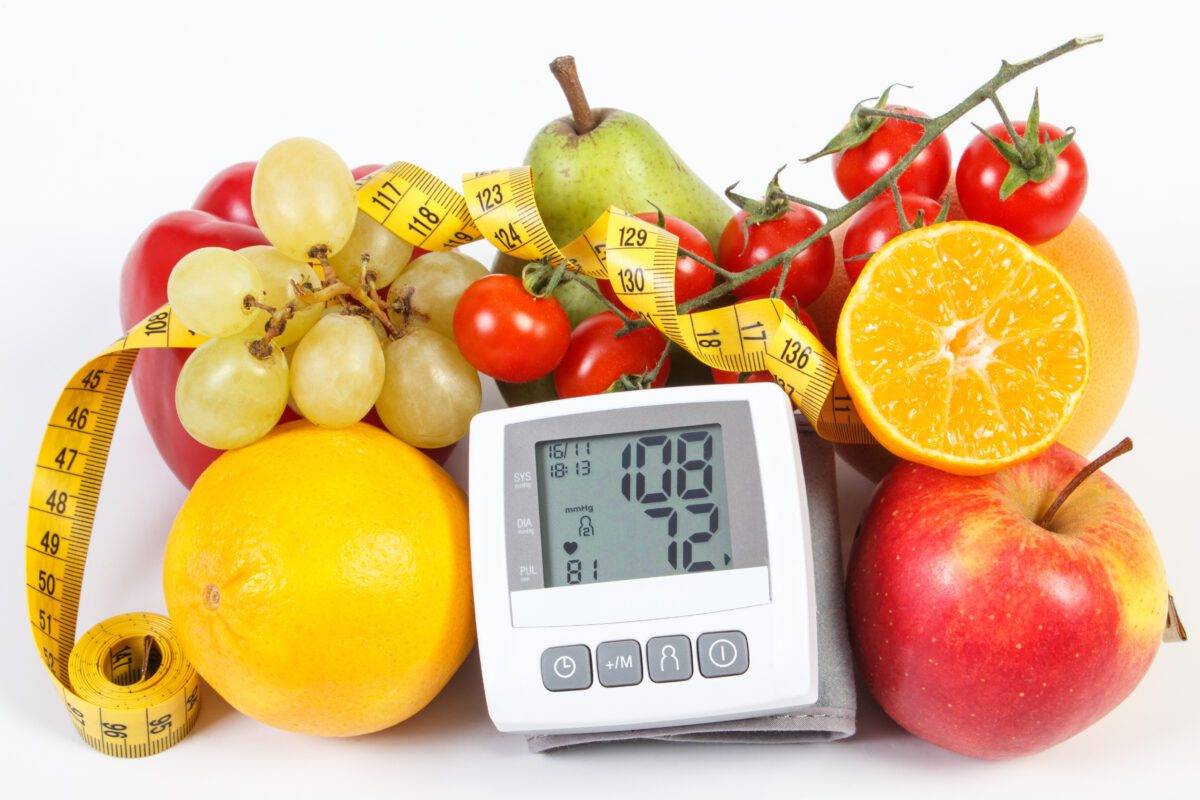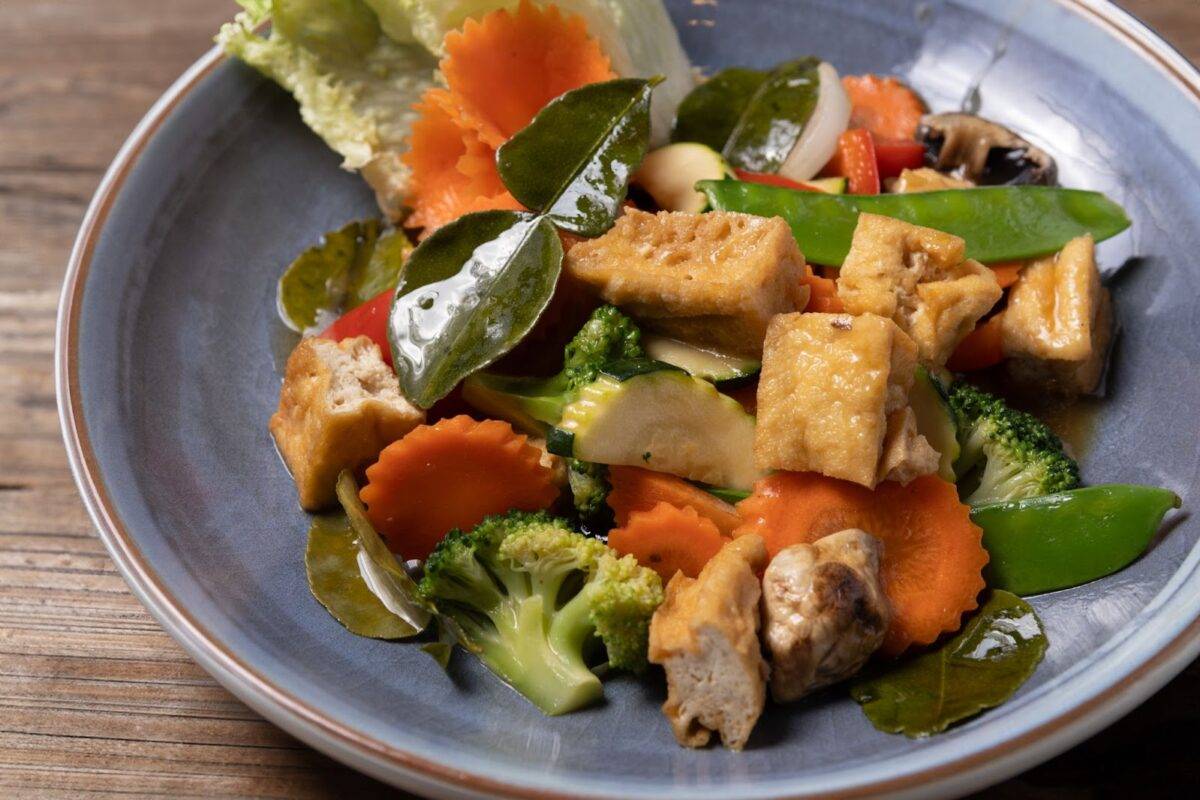
Best Meals for Weight Loss Plan 2025

As we approach 2025, most of us have probably identified new targets to achieve, so if losing some weight and getting that awesome feeling is on your list, then read on. Who would deny it—nutrition does not require the restriction of eagerly awaited precious flavors in a plate of fresh salad and keeping count on every calorie as if it is a high school math test? This year, it is about healthy meals that are friendly to your pocket but very much packed with the health benefits for the new you. Now you fancy the best healthy meals!

This blog will focus on the list of best meals for weight loss and is full of tips and expert insights. Whether you’re a working individual, a mother who has many things to attend to, or just a plain food lover, we’ve got you here. Here, you will be introduced to some tasty meals that would—undeniably—help you lose weight without leaving the pleasure of eating behind. So let’s make 2025 your best year of health and happiness.
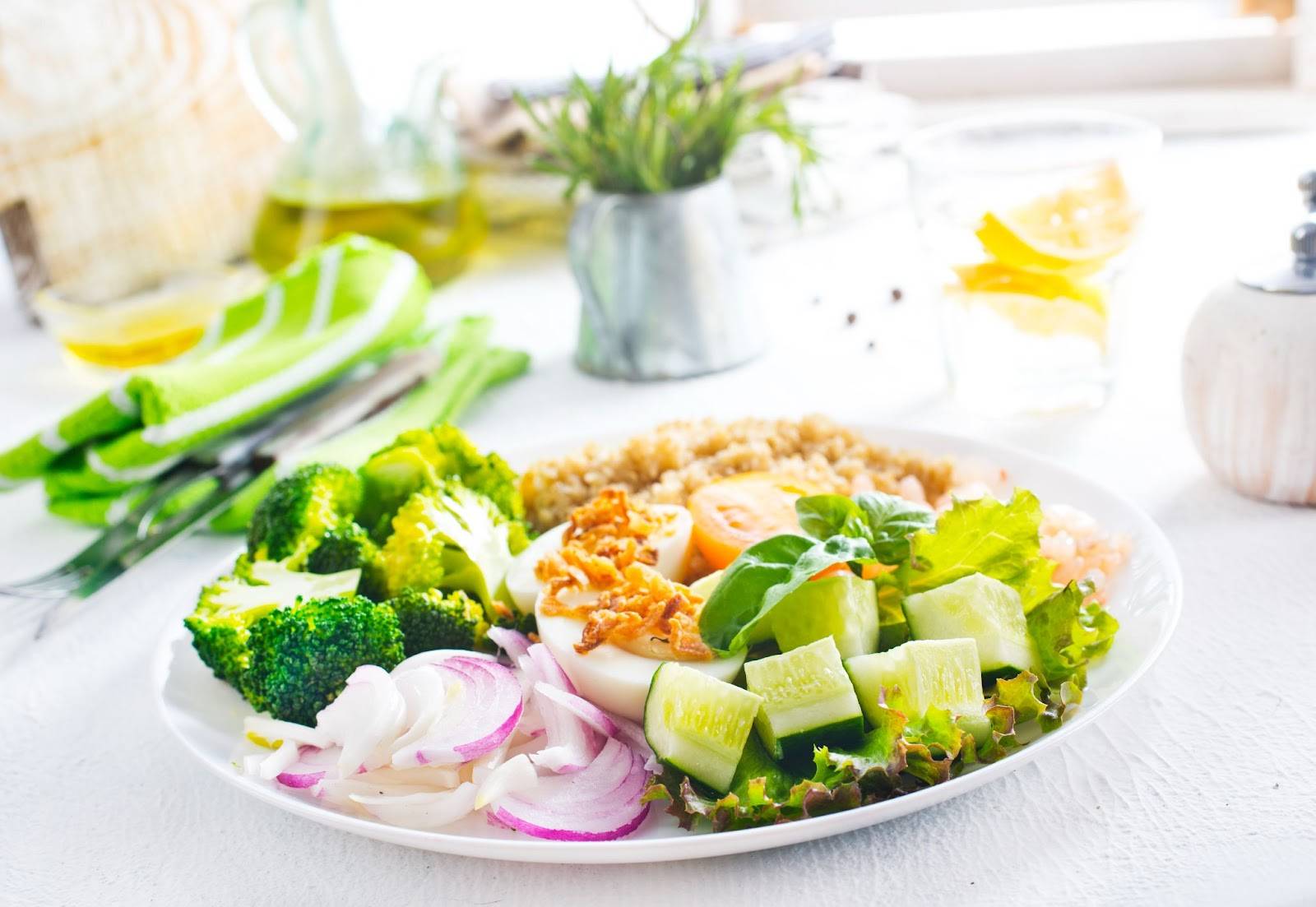
Best Meals showing salad including onions, broccoli, and cucumber

Why does Meal Planning planning matter?

Meal planning is like an ace up your sleeve in your weight-loss program. This way, you can ration the portions you take, avoid wastage, and make better food choices. When you have your best meals cooked in advance, you can easily avoid most of the unhealthy foods that might tempt you. By 2025, our goal is to provide nutritionally healthy and filling meals that help consumers on their weight-loss diets.

Key Ingredients for Weight Loss Meals

Before we jump into the best meals, let’s talk about what makes a meal truly weight-loss-friendly:

  • High Protein: High-protein meals satisfy hunger and also help protect muscle tissue during weight loss.
  • Healthy Fats: Do not avoid healthy fats! They are tasty and will make you eat less often and enable one to add in a few flavors.
  • Fiber-Rich Foods: In essence, it what you need to take; Fruits, vegetables and whole grains. Fiber is good for digestion and helps to suppress the appetite.
  • Low-Calorie Density: Concentrate on foods that make feel full yet do not add on the extra pounds. Indulge yourself with big portions while feeling free!

Best Meals for Weight Loss in 2025

1. Quinoa and Black Bean Salad
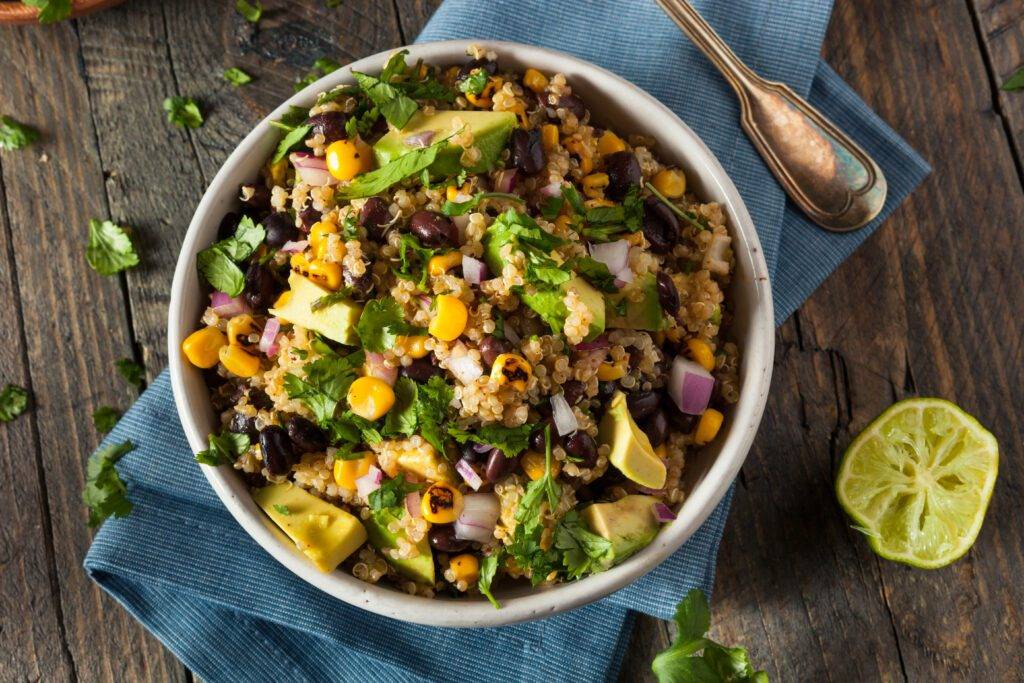
Best Meals salad with black beans

What a colorful powerhouse salad it is! Enriched with quinoa and black beans, which are rich in protein, fiber is added to the dish with the consumers’ health benefit in mind. The dish also contains colorful vegetables alongside a citrusy lime dressing. It makes for a good lunch or dinner, is very healthy, and has all those good calories.

2. Baked Chicken Steaks with Broiled Vegetables
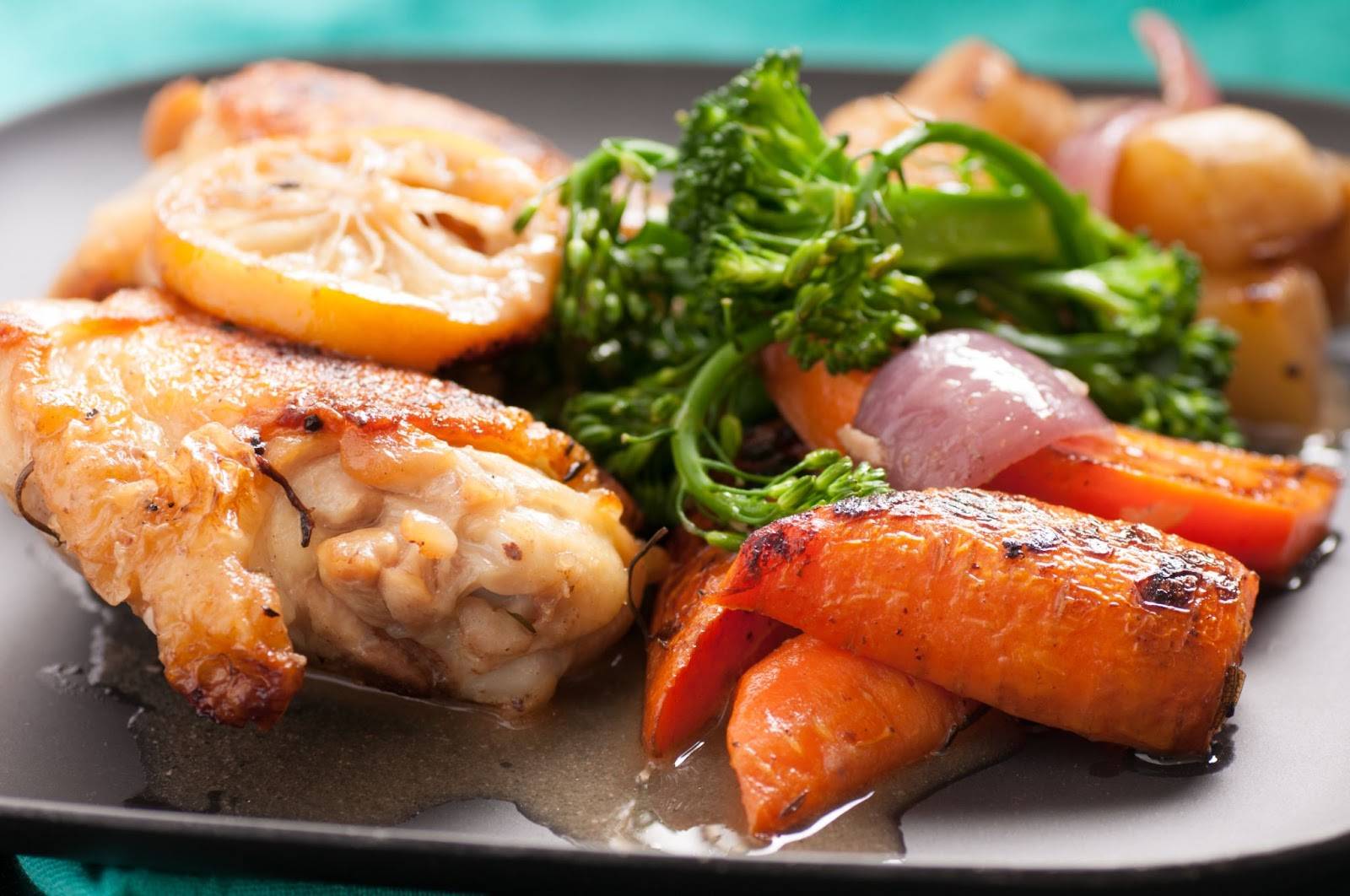
Best Meals showcasing healthy food

Chicken that has been grilled is a low fat dietary champion! Serve this with roasted vegetables such as peppers, zucchini, carrots and olive oil and any desired herbs. It is a satisfying, healthy food that will taste great and help to add more nutrients to your diet.

3. Mediterranean Chickpea Bowl
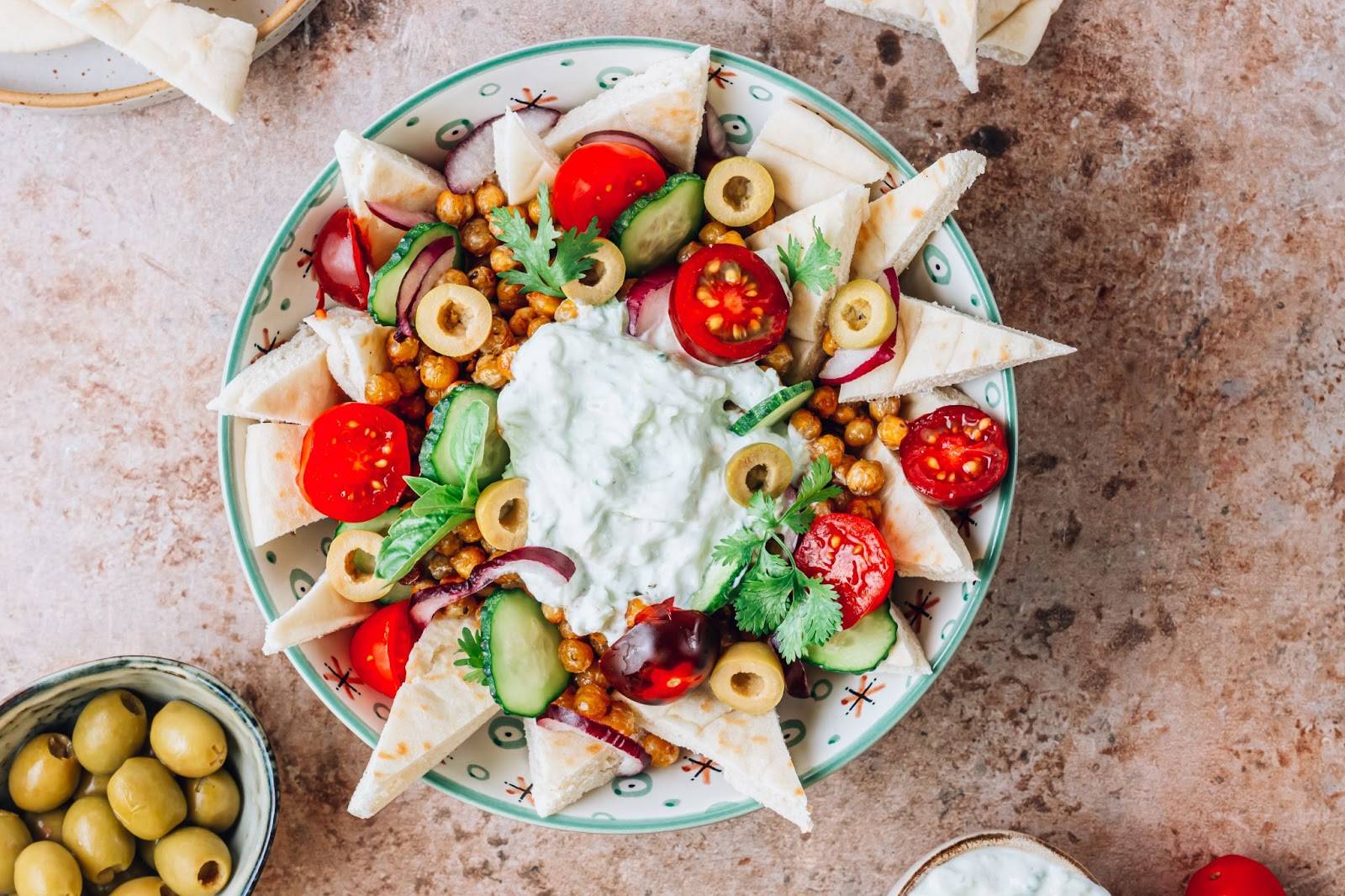
Best Meals showcasing salad

Come closer and jump into this bowl of delicious!. Filled with chickpeas, cherry tomatoes, cucumbers, red onion and feta cheese and lightly dressed with an olive oil based vinaigrette, this dish is both delicious and healthy Mediterranean diet.

4. Zucchini Noodles with Pesto
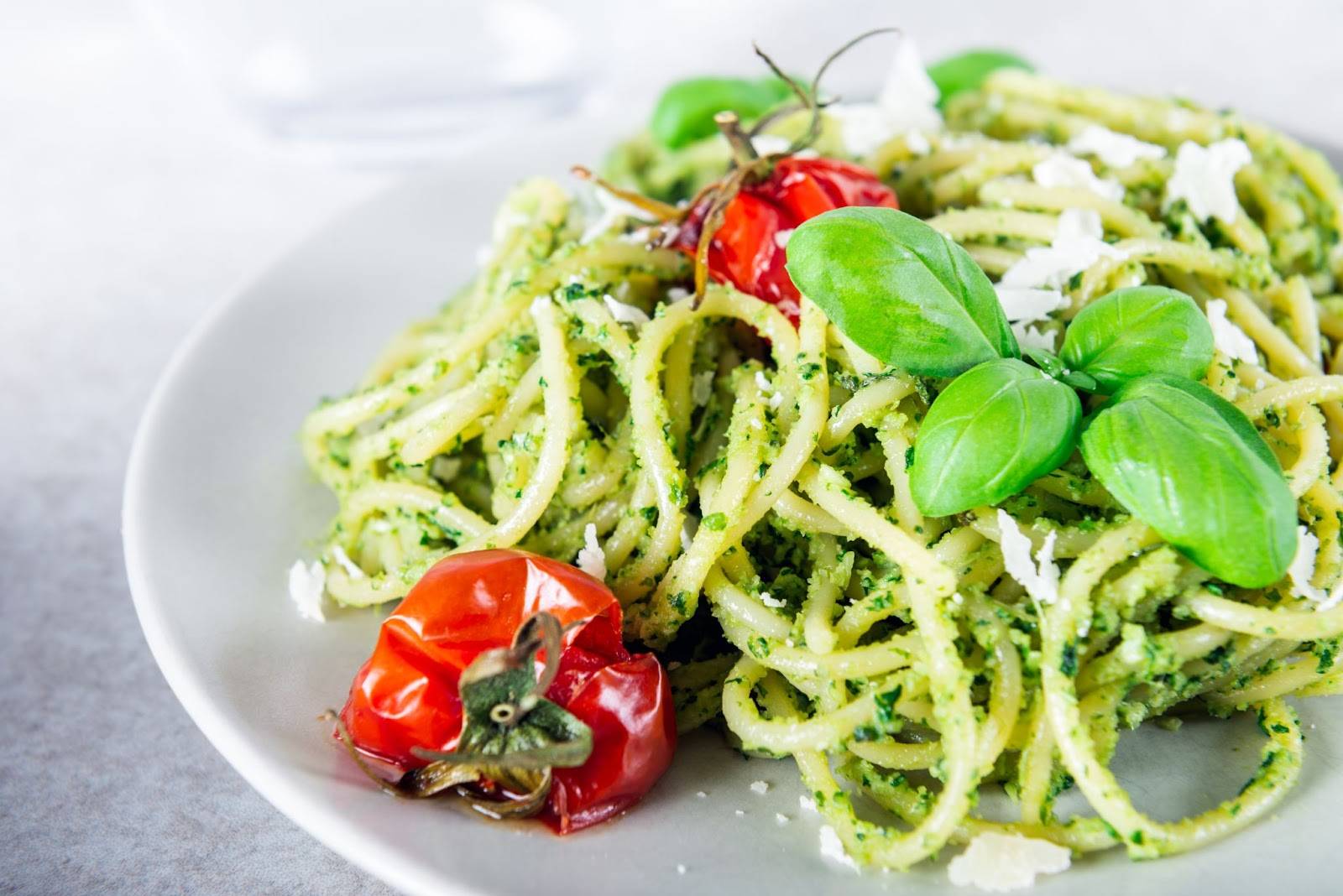
Best Meals showing spaghetti

In place of pasta, the vegetables can be zucchini- this is a tasty low-carbohydrate and high-fiber meal. Sauté them with pestle made from fresh basil and parsley, cherry tomatoes, and grilled shrimp for a good meal that is light for the tummy.

5. Overnight Oats with Berries
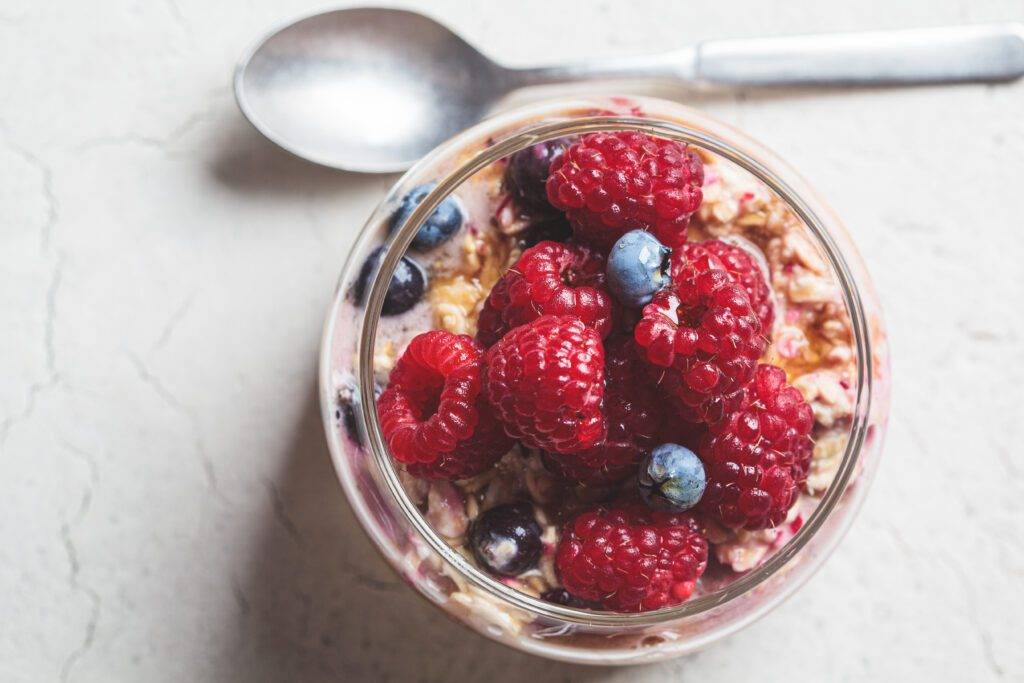
Best Meals showing oats with berries
Overnight oatmeal with berries, peanut butter, and maple syrup in a jar, top view. Healthy vegan breakfast concept.

You don’t need to motivate yourself to eat this yummy and healthy meal in the morning. Pour rolled oats and almond milk, chia seeds and a choice of fresh berries into a bowl. The main ingredients are full of fiber, and the dish is super rich in antioxidants, which will definitely sustain you until lunchtime.

6. Lentil Soup

Best Meals showing Lentil Soup

There’s nothing like a good lentil soup go on it! I love it because it’s CT, full of protein and fiber, and ideal for repurposing. It is possible to prepare a large portion and enjoy it in between meals, as a healthy snack as you work on losing the extra weight.

7. Baked Salmon with Asparagus
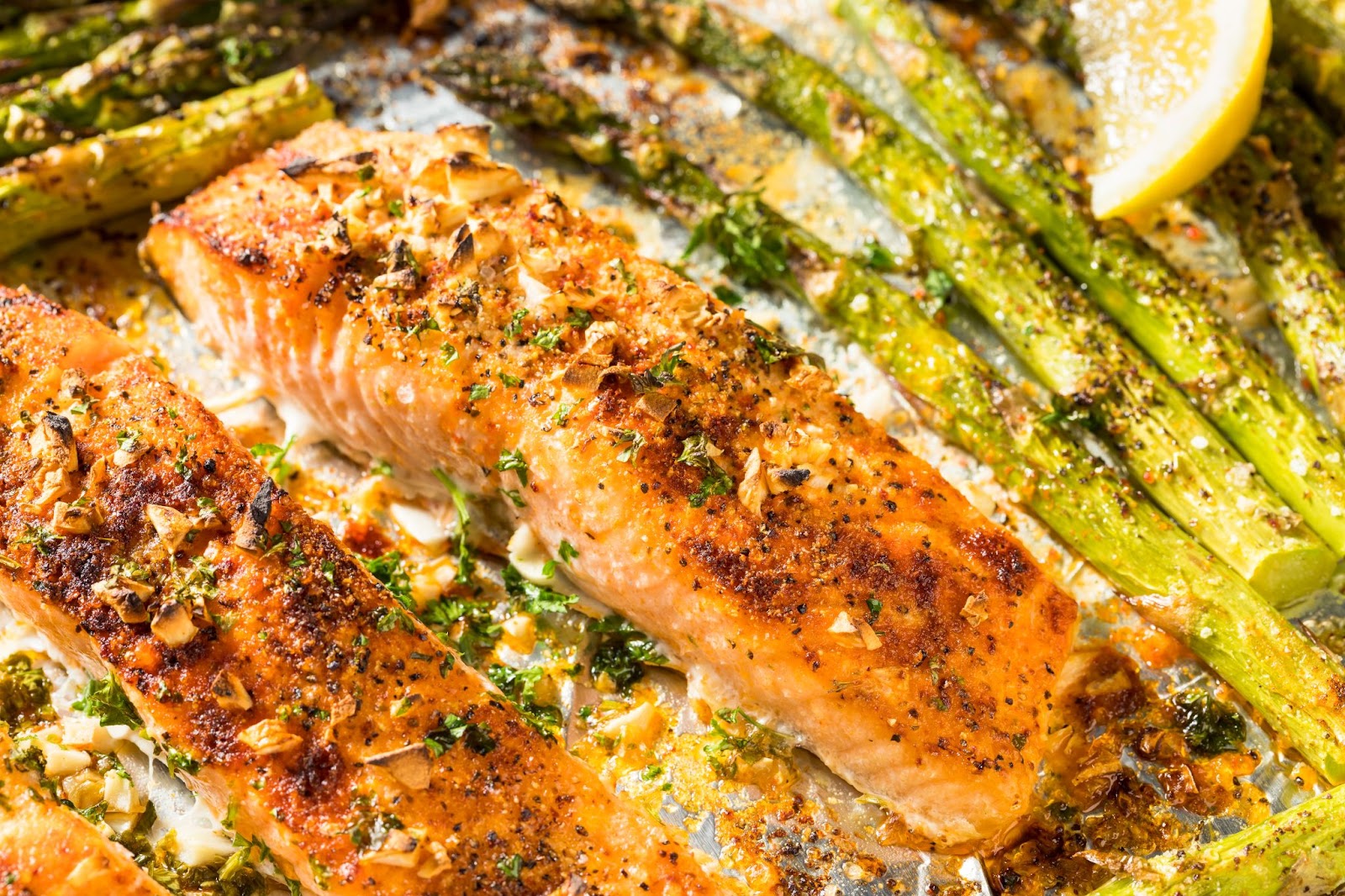
Besides being yummy to eat, salmon is also a provider of omega-3 unsaturated fatty acids. Eat it baked with asparagus seasoned with lemon juice for a delicious, low-calorie meal that boosts the heart and helps with weight loss.

8. Greek Yogurt Parfait
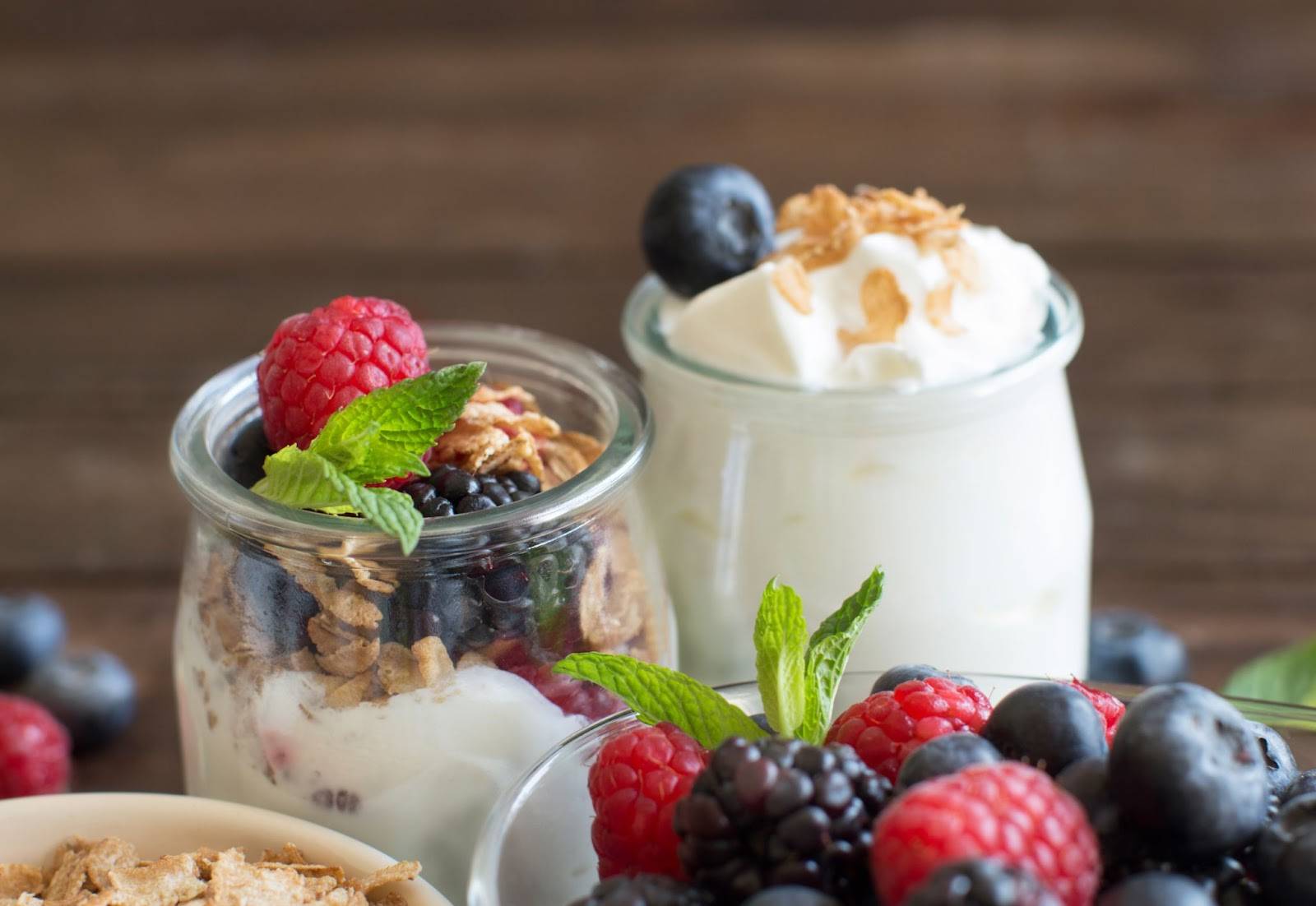
Greek yogurt topped with fresh fruits and a tall spoonful of granola makes for a healthy snack or breakfast. This parfait is packed with protein sources and probiotics for gut health and is good to go for anyone who wants to shed a few extra pounds.

9. Stir fried tofu and vegetables
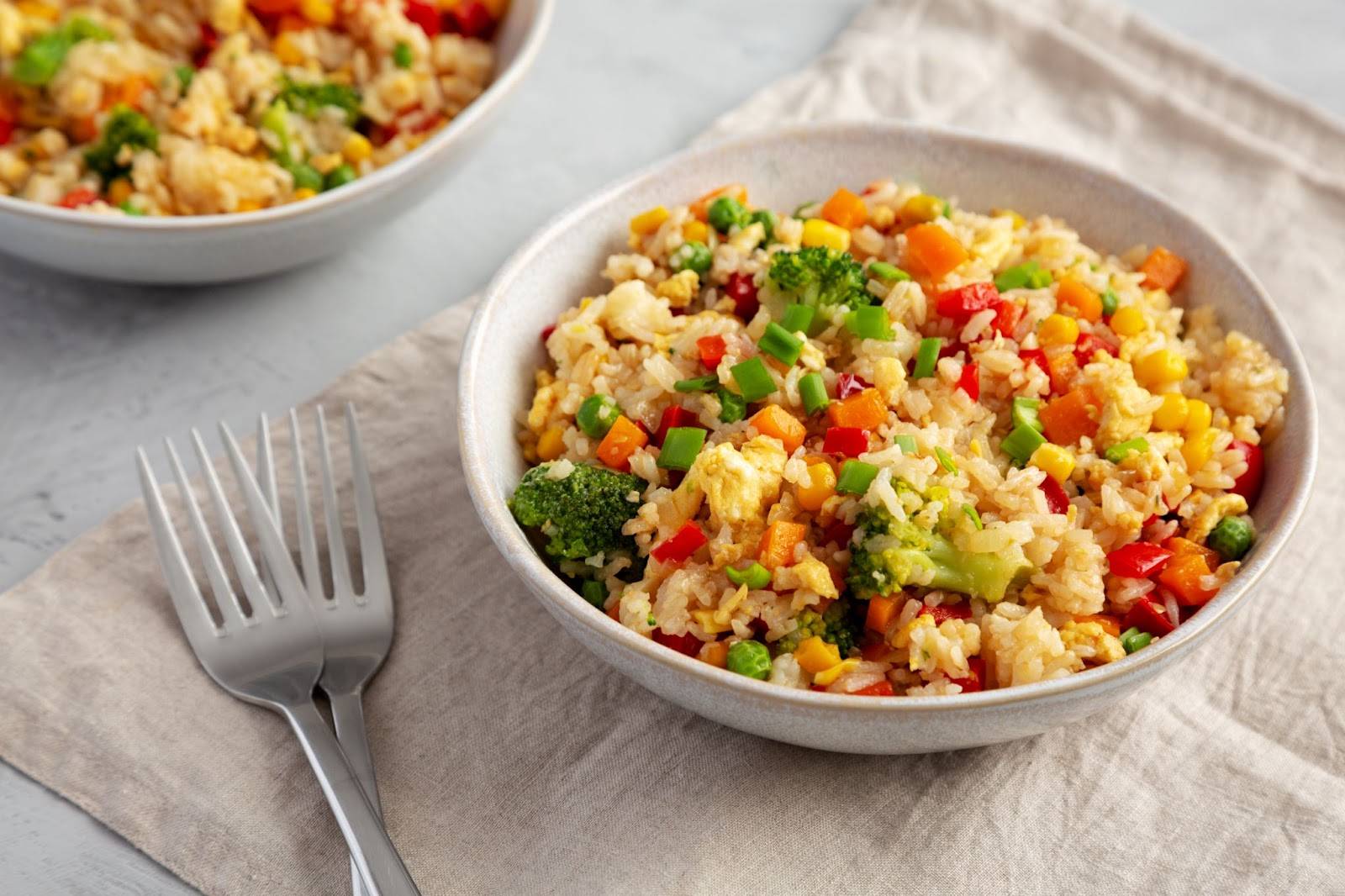
The preparation of fried tofu with a combination of assortments of colorful vegetables makes this dish a plant-based dish worthy of being recommended. Do not go overboard with soy sauce use low-sodium kind, use ginger instead of deep-frying to give it flavor, and remember to make it low-calorie.

10. Cauliflower Rice Stir-Fry
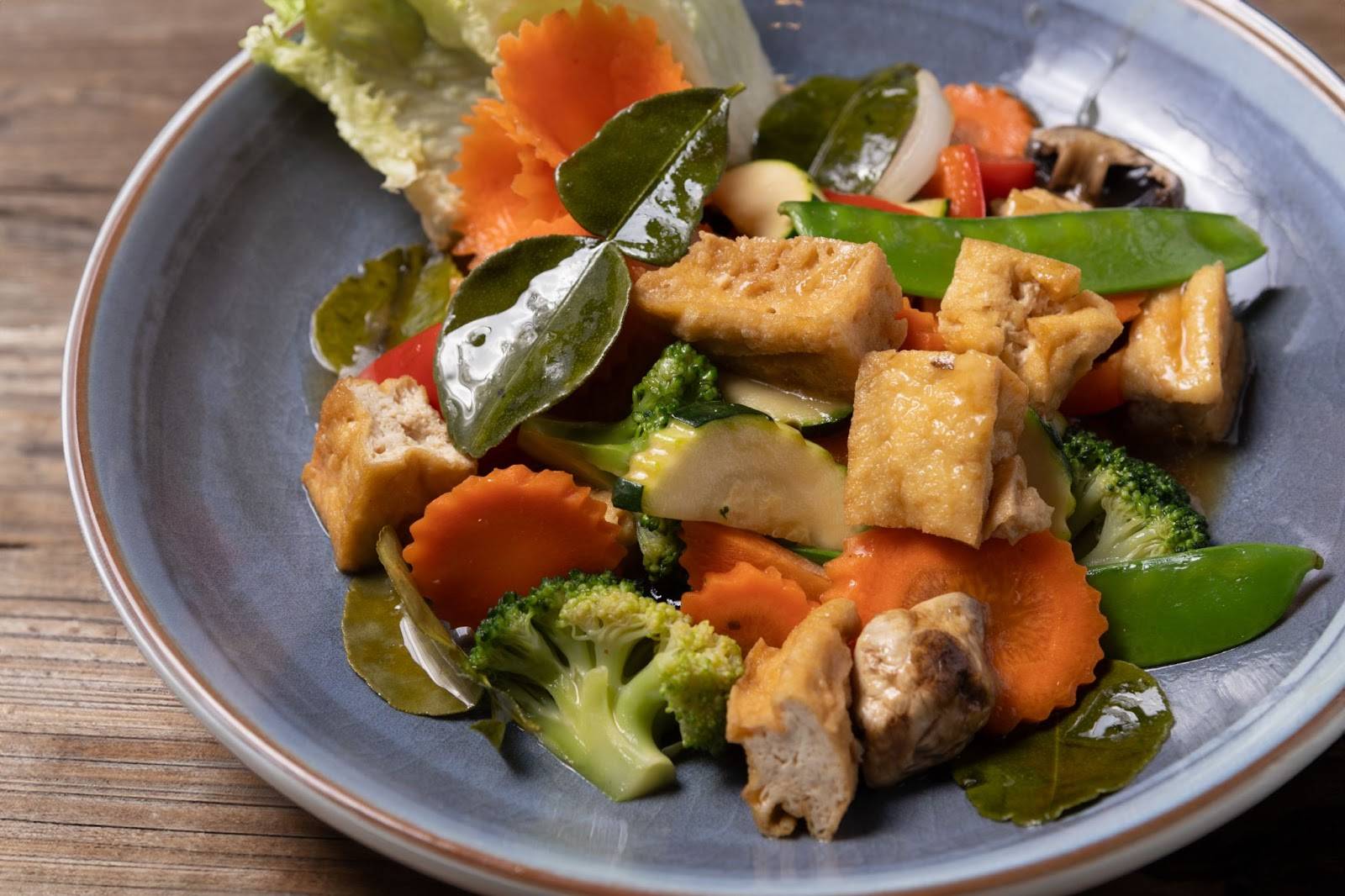
Instead of rice for carbohydrates, replace it with cauliflower rice for a low- carbohydrate option. Cook with your protein, your vegetables, and a bit of soy sauce, and have it ready in ten minutes—tasty, that is.

Tips for Elevating Your Weight Loss Meal Plan

Ready to take your best meal plan to the next level? Here are some handy tips:

  • Meal Prep: Take some time every week to prepare meals in advance. It will save you a lot of time and help you stay on track with your healthy eating goals.
  • Portion Control: Use smaller plates and bowls to help control portion sizes and avoid overeating.
  • Stay Hydrated: Drink plenty of water throughout the day. Sometimes, thirst can masquerade as hunger!
  • Mindful Eating: Pay attention to your hunger cues and savor your meals slowly.
  • Exploring Flavours: Herbs and spices add taste without calories and make a meal more appealing.
Final Thought

The best meals for effective weight loss that meet the body’s nutritional needs in the future year 2025 are healthy, tasty, and time-saving. Substituting the usual processed foods with whole foods and using lean proteins and good fats will enable you to cook tasty meals while simultaneously losing weight. Again, please do not forget that pre-planning of the meals and proper preparation are essential if you are to achieve your goal of choosing healthier options. To healthier bodies and weight loss for the rest of this year.

FAQs

Q1: How can I make the best meals prep easier?

A: Start with preparing just a few meals per week and increase your efforts as you become more comfortable. Store the meals in clear containers, which can be grabbed on the go.

Q2: Can I still enjoy snacks while trying to lose weight?

A: Absolutely! Healthy snacks like fruits, nuts, or yogurt can help keep your energy up and prevent overeating at meal times.

Q3: What if I don’t like some of the suggested meals?

A: Feel free to swap out ingredients or meals based on your preferences. The bottom line is to find meals you enjoy that fit within your weight loss plan.

Q4: How often should I eat when trying for weight loss?

A: It varies for everyone! Some people prefer three meals a day, while others thrive on smaller, more frequent meals. Listen to your body and find what works best for you.

Q5: Is it okay to indulge occasionally?

A: Yes! Allowing yourself the occasional treat can help you stay on track in the long run. Just be mindful of portion sizes and frequency.

By following these tips and enjoying these delicious meals, you’ll be well on your way to achieving your weight loss goals in 2025!

Bibliography 

Smith, J. (2024). The Science of Nutrition: A Guide to Healthy Eating for Weight Loss. Health Publishing.

Johnson, R. (2023). Meal Planning Made Easy: Tips for Healthy Eating. Wellness Press

American Heart Association. (2024). Healthy Eating for a Healthy Heart. Retrieved from AHA Website.

Centers for Disease Control and Prevention. (2023). Nutrition Basics: A Guide to Healthy Eating. Retrieved from CDC Website.

Brown, L. (2024). Effective Weight Loss Strategies: Balancing Diet and Exercise. Fitness Journal.

Green, M. (2023). Mindful Eating: The Key to Sustainable Weight Loss. Mindfulness Publishing.

Thompson, A. (2024). Delicious and Nutritious: 100 Healthy Recipes for Weight Loss. Culinary Press.

Williams, K. (2023). Quick and Easy Meal Prep Recipes for Busy Lives. Meal Prep Publishing

Dr. Emily Carter, Registered Dietitian Nutritionist, Interview on Meal Planning and Weight Loss Strategies, January 2025.

Dr. John Miller, Expert in Nutrition Science, The Role of Protein in Weight Management, Journal of Nutrition Science, 2024.

National Institute of Health. (2023). Frequently Asked Questions About Weight Loss. Retrieved from NIH Website.


New Year Resolution for Weight Loss 2025

When the calendar page turned and we stepped into the new year, the air got energised, and many of us felt more determined than last year. As the year ends with that, the fresh blank page is rolled out to craft your destiny.

Many of us start the new year with New Year’s Resolutions 2025- like many others, your resolution might revolve around shedding those extra pounds and embracing a healthier lifestyle. However, statistics show that only 45 percent succeeded in achieving the weight loss resolution goals. So, questions arise: how do you turn the fleeting motivation into lasting change? In 2025, it’s time to ditch the fad diets and quick harmful fixes and instead focus on sustainable habits, the best natural supplements, and the best diets for Weight loss plan 2025 that help you to achieve your weight loss goals.

In this piece, we explore setting realistic and effective strategies and goals, expert tips and mindset shifts needed to make this year your healthiest and achieve the pledge resolution of weight loss, yet!

new year resolution showcasing text on top saying new year, new you and the picture shows measuring tapes of blue, pink, yellow and white colours

Achieving the New Year Resolution: Setting Realistic Goals

The crucial first step in your weight loss journey and to fulfil your New Year’s resolution is to have realistic and achievable goals. Instead of aiming for drastic weight loss, consider focusing on small, manageable milestones. For instance, aiming for 2-4 pounds per week is a healthy and sustainable rate, and while maintaining records and archiving these small tasks, your motivational level is also enhanced. Well, you might start by aiming to lose 5% of your current weight, which can significantly lower the health risks associated with obesity. So, setting up a weight loss calendar helps you achieve targeted results.

      Losing weight in this fast world isn’t easy, but it’s far from impossible—especially when you embrace the determination, set realistic goals, and get what it takes. Moreover, whether you’re a fitness freak or just starting out to achieve weight loss goals, a weight loss journey partner like WEIGHT LOSS REVOLUTION can simplify your path to success with experts, natural supplements, and personalized weight loss plans.

Focus on Nutrition

The professional experts and doctors play a crucial role in weight loss. Instead of restrictive diets that can lead to yo-yo dieting, experts will guide you with a more focused and balanced approach:

  • Whole Foods: prioritize fruits, vegetables, lean proteins, and whole grains.
  • Healthy Fats: Incorporate sources like avocados, nuts, seeds, and olive oil into your meals.
  • Portion Control: Practice mindful eating by paying attention to hunger cues and stopping when satisfied.
  • Hydration: Drink plenty of water to support metabolism and reduce unnecessary snacking.

Consulting with professional experts like Dr. Salma can help tailor a diet plan that suits your individual needs and enables you to complete your New Year’s resolution.

Mindful Eating Practices

Mindful eating impacts your weight loss program in a big way. This means taking necessary precautions, like avoiding things that make you take your mind off the meal you are eating. Recording the food that we eat might also assist in keeping some kind of record of our eating patterns to look for improvements.

Regular Exercise

Do you think only selective eating does all its own? Incorporating regular physical activity is the essential secret ingredient for an effective weight loss journey. From heart-pumping cardio to strength-building workouts, there’s an activity for everyone. Aim for at least 150 minutes of moderate-intensity exercise each week. Here are some effective strategies:

  • Strength Training: Muscles assist in metabolizing more fats in the body, a factor contributed by the fact that muscles raise the metabolic rate in the body. For instance, push-ups, squats or resistance band training, and others.
  • Cardio Activities: Perform ordinary tasks that people can have fun doing, such as walking, cycling, or swimming.
  • Mind-Body Exercises: Some activities, such as yoga, help reduce stress and enhance standards of living.

In 2025, don’t be afraid to challenge yourself by taking a different workout class or going for a hike—your body will appreciate it, and getting to your goal weight is a possibility! For more personalized exercise that helps you in your weight loss journey, contact a professional doctor.

Prioritize Sleep and Stress Management

Are you sleepless at night as you are managing various challenges of life? If so, it’s time to understand that sleep and stress management are not some kind of ‘’luxuries’’; they are part of your weight loss process! In weight management, sleep and stress are high factors. Poor sleep can disrupt hormones that regulate hunger, while high stress can lead to emotional eating that ultimately results in weight gain:

  • Sleep Well: Adults should strive to get between 7 and 8 hours of good quality sleep at night.
  • Manage Stress: Deep breathing or any form of meditation is recommended to be inculcated in the normal parlances of the day.

       So consult a professional if you have any sleep patterns and stress management issues. The weight loss journey is not about yielding and striving hard; it is also a mind game.

Track Your Progress

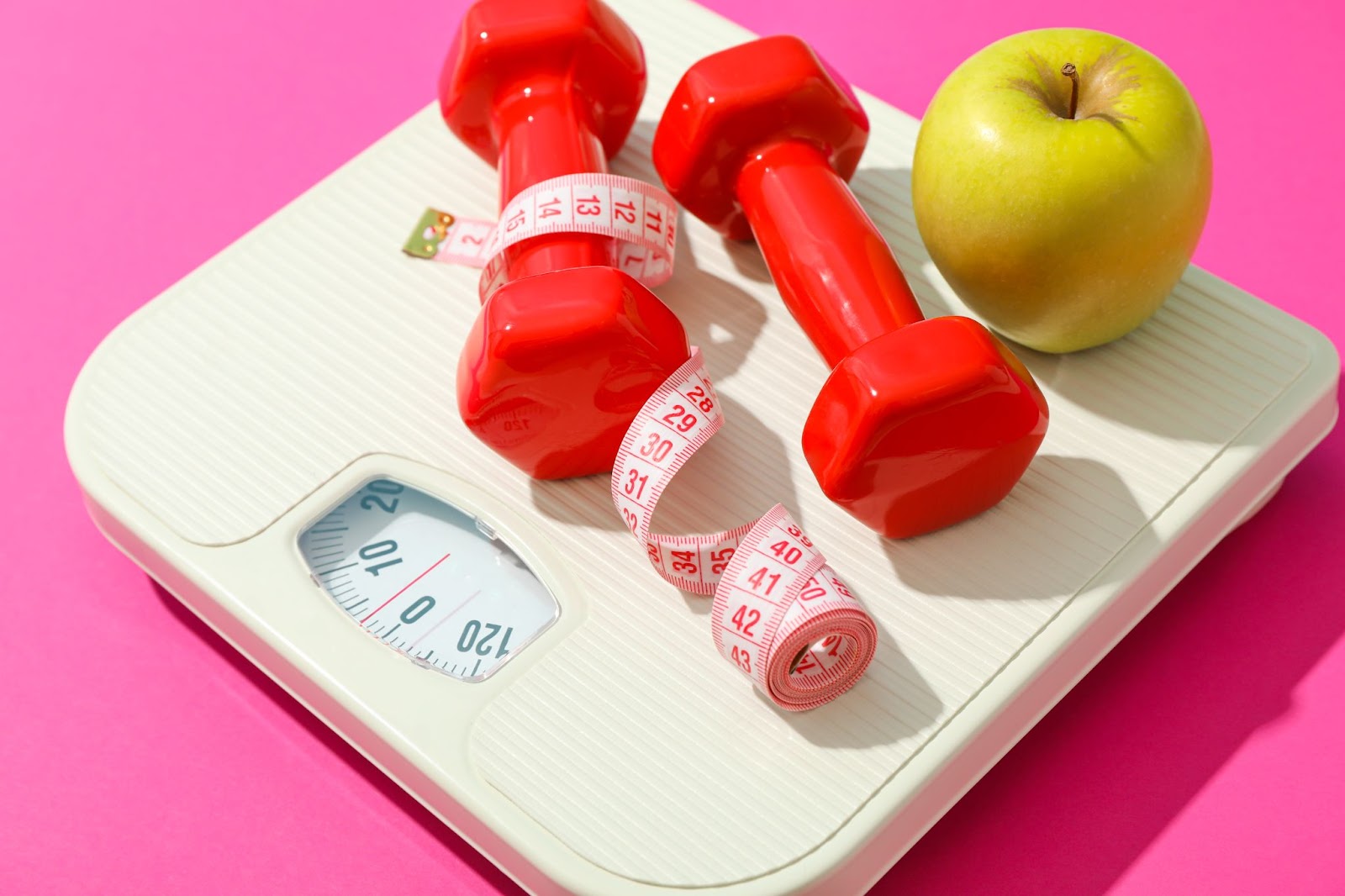
new year resolution showing 2 red dumbbells one covered with measuring tape and an apple on weight measuring machine

When you are exercising to lose weight, there is nothing as encouraging as keeping a record of how you are faring. If you record the kinds of foods eaten, activities done, and changes in body weights and sizes, you can learn what needs to be adjusted to complete the New Year Resolution. A diary or application on a mobile phone like Fitbit to track physical activities and MyFitnessPal, an extensive food database, simplifies meal logging. It is also recommended to make some form of merry-making midway through the year to keep morale high throughout the year.

Consider Professional Support

Are you feeling overwhelmed on your weight loss journey? Do you have doubts about achieving your weight loss goals in 2025? You’re not alone! There is always a need for improvement and expert guidance to keep us on track. Consider professional support to guide you through the process.

A registered and professional doctor or expert can provide personalized strategies tailored to your unique needs, making your goal more easily attainable.

Don’t wait—just start your weight loss revolution today. In 2025, take the first steps toward a healthier, happier you with the Weight Loss Revolution!

Final Thought

For the New Year 2025, we pledge to reduce our weight based on practical goals, proper dieting, exercising, and other activities that make us healthier. However, understand that this is a learning process and it is different in every person because one may have a program that fits their needs that another has. Stay patient and persistent as you work towards achieving your New Year’s resolution.

To get realistic and personalized plans for your weight loss journey, contact Weight Loss Revolution by Dr Salma to make a New Year resolution 2025 a reality. 

FAQs
Q1: How quickly can I expect to see results?

Ideal healthy weight loss for this kind of diet is gradual and can take up to five months to lose about five to ten percent of the body weight of a person, which is 1-2 pounds per week. However, the said rate can vary depending on the sleep cycle, the amount of nutrients consumed, and the hours and days devoted to a particular exercise weekly. 

Q2: Can I lose weight without exercising?

While it’s possible to lose weight through diet alone, it may lead to health setbacks, its been highly encouraged and suggested to incorporate exercise as it enhances results and improves overall health.

Q3: Is it necessary to track everything I eat?

Tracking is not compulsory. Still, it will go a long way in creating awareness of eating habits and providing an accountability check.

Q4: Are healthy fats good for weight loss?

Yes, healthy fats like Avocados, nuts, seeds and olive oils support weight loss by promoting satiety, stabilizing blood sugar, and boosting metabolism.

Q5: Can drinking water help with weight loss?

Yes, drinking water aids weight loss by boosting metabolism, curbing appetite, and reducing calorie intake when replacing sugary beverages with plain water.

    Adopting these strategies in 2025 will go a long way towards helping you in weight loss journey and also encouraging healthier living.

 Bibliography 
  1. https://thecalibrateclinic.com/5-strategies-to-successfully-lose-weight-in-2025/ 
  2. https://midlandhealth.co.uk/2024/12/16/what-are-the-best-ways-to-achieve-my-weight-loss-goals-in-2025/ 
  3. https://www.medicalnewstoday.com/articles/303409 
  4. https://discovertnew.blogs.rice.edu/2024/12/30/en-top-5-exercise-tips-to-lose-weight-for-students-in-2025/ 

Healthy Food Ideas for Weight Loss

Weight loss isn’t about concerning and counting every single calorie or cutting all your favourite foods. It’s about making small, sustainable changes that add to big results. But in reality, you’ve often been discouraged by the idea of “dieting’ you’re not alone.

Wait, Picture this: you’re savoring a satisfying, healthy meal that leaves you full and energized- all while supporting your weight loss goals. Sounds great, right? In this piece, we’re going to dive into some healthy foods that are perfect for weight loss and getting energized. From the goodness of avocado to the sweetness of apples, these foods nourish your body and help you feel your best. If you are ready to enjoy the weight loss journey, add tasty, healthy food to help you lose weight while still enjoying every bite!

Healthy Food Ideas for Weight Loss

1. Avocado

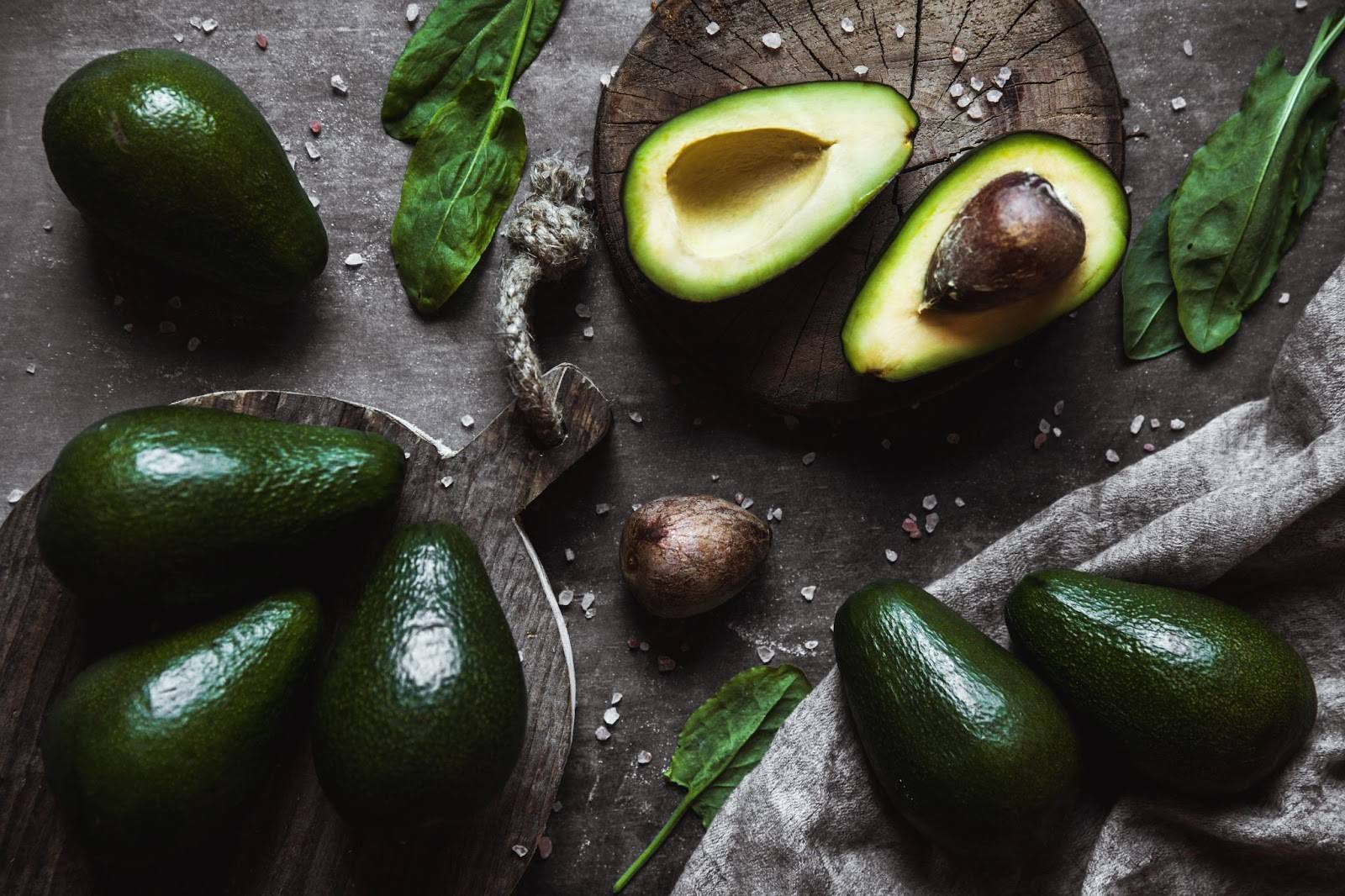
healthy food page showcasing avocado

Avocado is hailed as a “superfood” for a good reason. This creamy green flesh fruit is full of heart-healthy monounsaturated fats, fiber, and critical vitamins like E, K, and B6. Avocados, which are pear-shaped, are truly calorie-dense. Whether small or large, they’re incredibly satisfying and can help curb hunger, making them a great addition to a weight loss plan.

How many calories are in an Avocado?

A medium-sized avocado (approximately 150 grams) contains around 250 calories. While this may sound like a lot, the key is to focus on how nutrient-dense those calories are. Avocados offer a substantial amount of healthy fat, which keeps you full for a time. This overall pattern reduces overall calorie consumption throughout the day, which enhances the weight loss journey.

Health benefits of Avocados

Avocados play a crucial role in supporting digestion and maintaining overall health:

  • High in Fiber: A medium avocado contains 10 grams of fiber, which aids digestion, supports gut health, and promotes a feeling of fullness.
  • Rich in Healthy Fats: High in monounsaturated fats, particularly oleic acid, which supports heart health and helps lower bad cholesterol (LDL).
  • Packed with nutrients: A great source of vitamins and minerals, including potassium (helps regulate blood pressure), vitamin K, vitamin E, and several B vitamins.
  • Antioxidant-Rich: It contains antioxidants like lutein and zeaxanthin, which are beneficial for eye health and may reduce the risk of age-related macular degeneration.
  • Supporting Weight Loss: Helps with weight management by promoting satiety and reducing overall calorie intake.
  • Anti-inflammatory properties: Rich in antioxidants and phytochemicals that may help reduce inflammation in the body.
  1. Apple
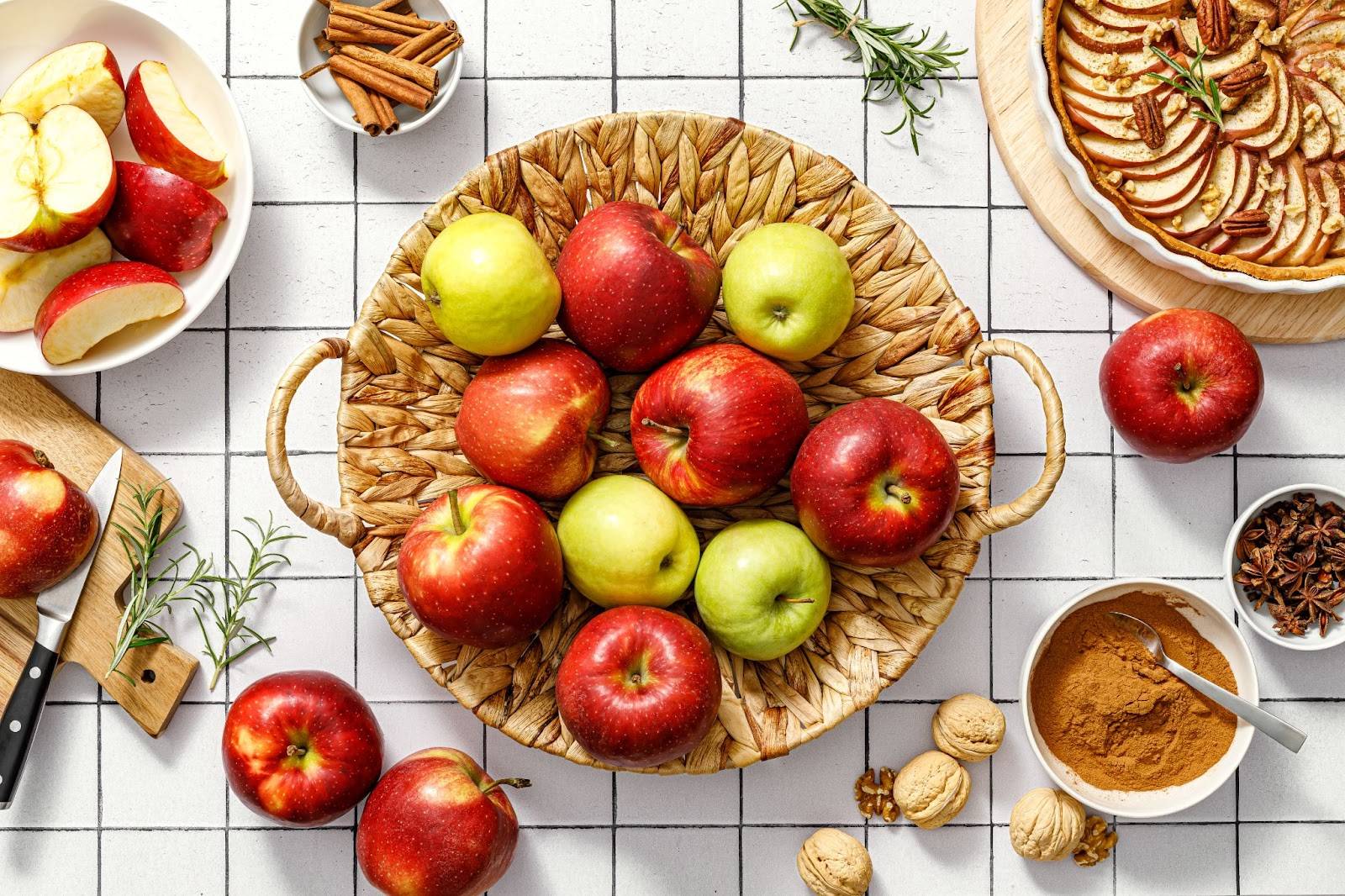
healthy food blog showcasing apples in basket

The famous saying, ” An Apple a day keeps a doctor away,” is really true when it comes to weight loss. You may get this when you are on a weight loss journey. Finding satisfying snacks that don’t derail your goal is essential. Apples are a perfect example of nutrient-packed, low-calorie food that can easily be incorporated into any diet plan

How many Calories are in Apple?

A medium-sized apple ( about 180-200 grams) contains approximately 100 calories. Apples are rich in fiber (4 to 5 grams per medium fruit), which helps to slow digestion and maintain the feeling of fullness. This makes apples an excellent food option if you want to avoid overreacting.

Health Benefits of Apples

  1. Rich in Nutrients: Apples provide essential vitamins (like Vitamin C), minerals, and fiber.
  2. Boost Heart Health: They contain antioxidants and fiber that can lower cholesterol and improve heart health.
  3. Aid Digestion: Apples are high in dietary fiber, promote healthy digestion, and prevent constipation.
  4. Support Weight Loss: Low in calories, apples can promote satiety, helping with weight management.
  5. Improve Immune Function: The Vitamin C content helps strengthen the immune system.

3. Eggs: A Protein-Packed Weight Loss Ally

healthy food options showcasing eggs

Eggs have been known to be a nutritional goldmine for a long time now. It is highly portable, nutritious, and a good source of high-quality proteins, vitamins B12, D, and choline. The fact is that eggs will work very well for those who decide to shed extra kilos but will not allow you to feel hungry.

How Many Calories are in 1 Egg?

A large egg has approximately 70 – 80 Kcal, depending on how it is cooked. Although fat and calories are the richest in the yolks, they pack nutrients in the same vessel as well. Protein is, therefore, particularly critical for weight loss since protein in the body helps build muscle tissue, enabling the burning of fat calories whilst at rest.

Health Benefits of Eggs

  1. High-Quality Protein: Protein helps repair and build up muscles, and egg is a full-breed protein.
  2. Rich in Nutrients: They contain B-12 vitamin, D vitamin, and minerals such as selenium.
  3. Promote Eye Health: They are also rich in lutein and zeaxanthin, which help prevent various age-related diseases of the eyes.
  4. Support Brain Function: Choline in eggs plays an essential role in the health of the brain and cognition.
  5. Aid Weight Management: It is high in nutrients and helps control the appetite while being a suitable meal for weight loss.

4. Chicken Breast: A Lean Protein Powerhouse

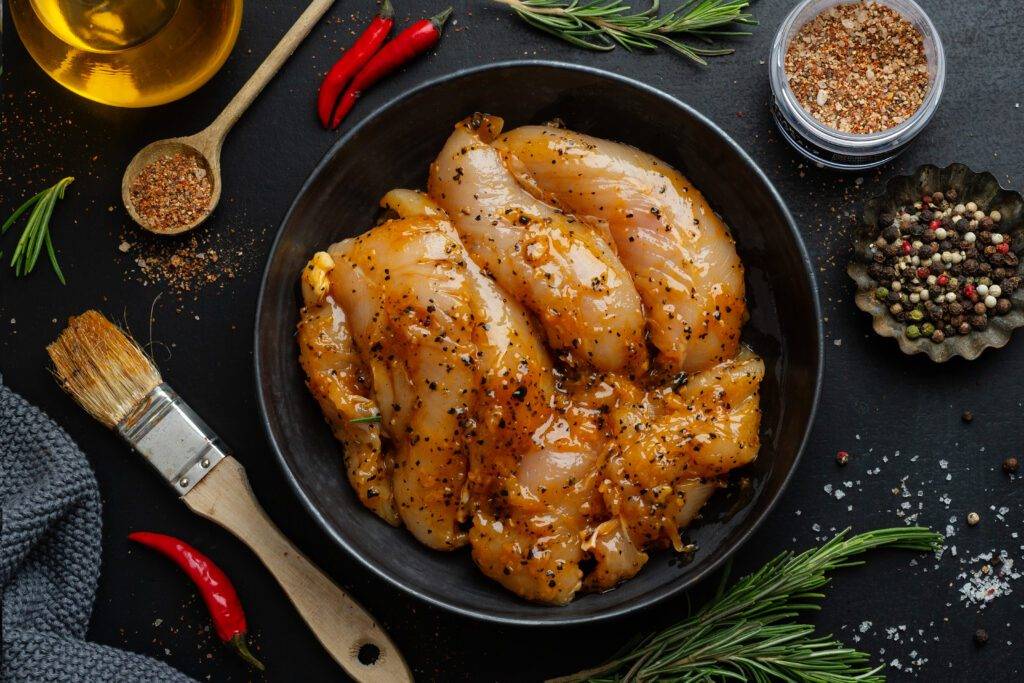
healthy food options showcasing marinated chicken breast
Raw marinated chicken breast on dark background with spices ready to cook.

For something as tasty and protein-packed as chicken breast, there is no better go-to food for anyone trying to lose weight. Due to its fat content, lean sources of proteins such as chicken breast are ideal for any weight loss program and bodybuilding.

How Many Calories Are in a Chicken Breast?

About 140-165 calories are found in 3 ounces of skinless, boneless chicken breast. First, chicken breast is a lean meat that is a good source of protein; this means that when eaten, it will leave you feeling full rather than heavy due to excess, fattening calories.

Health Benefits of Chicken Breast

  1. High in Lean Protein: Chicken breast is an excellent source of lean protein, supporting muscle growth and repair.
  2. Low in Fat: It’s low in fat, making it a heart-healthy option for maintaining a healthy weight.
  3. Rich in Vitamins and Minerals: It provides essential nutrients like B vitamins (especially niacin and B6) and selenium.
  4. Boosts Metabolism: The protein content in chicken breast helps increase metabolism and burn fat.
  5. Supports Bone Health: It’s a good source of phosphorus, which helps maintain strong bones and teeth.

5. Banana: A Quick, Energising Snack

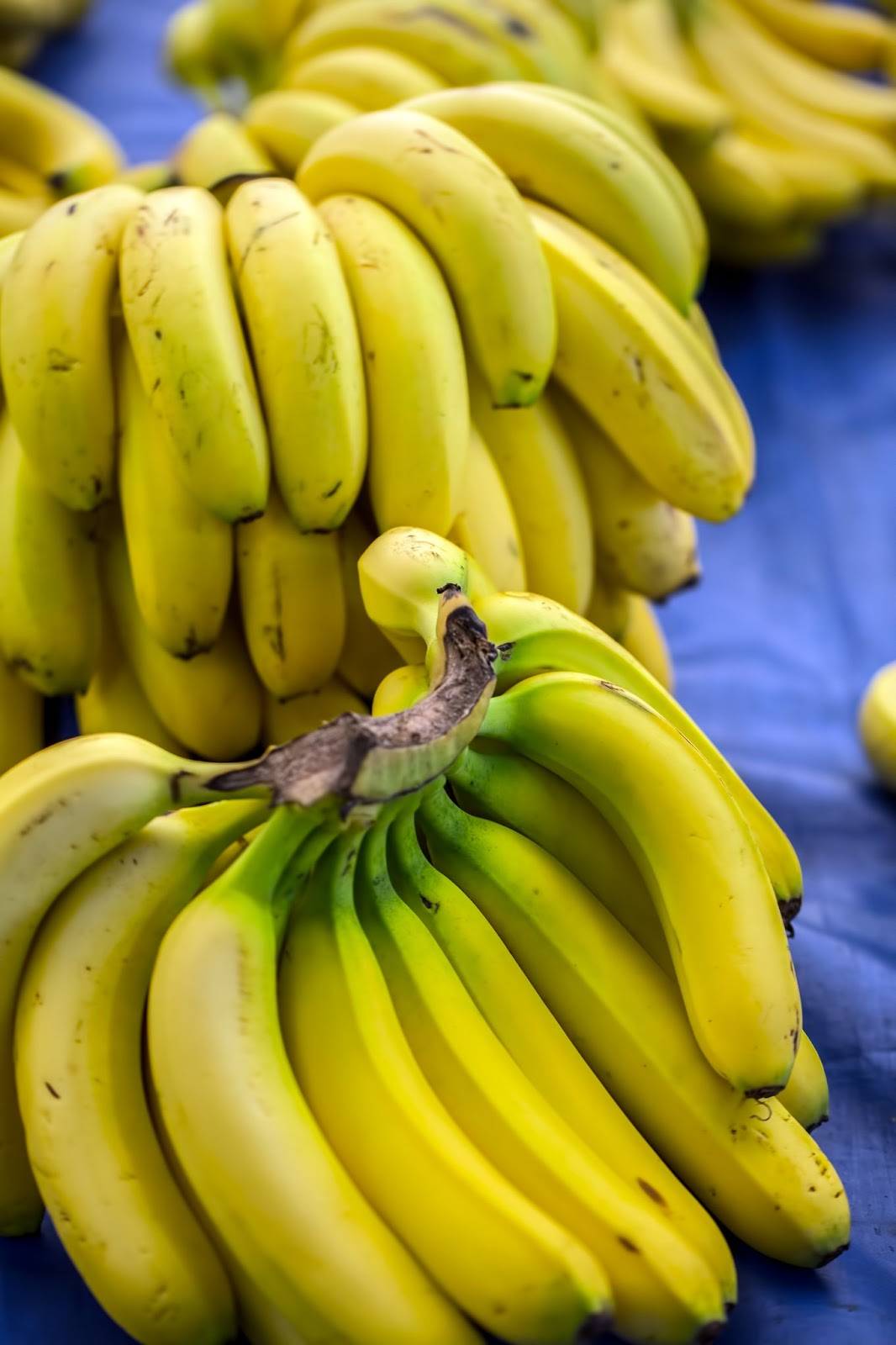
healthy food option showcasing bananas

Many people enjoy bananas because they are sweet and easy to handle. Skim milk products are also a good source of potassium, vitamin C, and fiber, which makes them suitable for anyone preparing to shed a few pounds while staying energized.

How Many Calories Are in a Banana?

One average banana (118 grams) is a nutritious fruit with around 105 calories. Bananas contain a lot of carbohydrates, natural sugars, and fiber, which gives you energy and, at the same time, takes longer to digest, hence keeping you full.

Health Benefits of Banana

  1. Rich in Potassium: Another benefit of using bananas is that they support blood pressure and heart health.
  2. Aid Digestion: It is also high in fiber, making it easy to digest and preventing constipation.
  3. Boost Energy: Complex sources of sugars and carbоnhydrates include natural sources that offer quick and steady energy.
  4. Improve Mood: Cereals contain tryptophan, which facilitates the production of serotonin and improves mood.
  5. Support Kidney Health: Potassium, the main component of bananas, is essential for proper kidney functioning.

6. Watermelon: Refreshing and Hydrating

healthy food option showcasing watermelons
Cheerful friends enjoying watermelon on picnic on sunny summer day.

Watermelon is among the best-hydrating fruits available, making it ideal for incorporating into any weight loss regime. It is made of about 92 percent water, which makes it a low-energy-density fruit and very healthy.

How Many Calories Are in Watermelon?

A recommended serving of watermelon, which is one cup of diced watermelon or 154 grams, has 46 calories. This fruit is mainly composed of water and thus contains very few calories, making it perfect for people who want to replenish their systems while avoiding taking too many calories.

Health Benefits of Watermelon

  1. Low in Calories: This fruit contains a higher percentage of water, and it contains very few calories thus making it a good snack for those wanting to eat a lot of food without consuming many calories.
  2. High in Water Content: The large amount of water in them will enable you to quench your thirst and suppress hunger.
  3. Boosts Metabolism: Loaded with antioxidants, such as lycopene, it can help increase the adipose loss rate.
  4. Regulates Appetite: The fiber content can help with digestion, while the high protein content helps avoid overeating.
  5. Promotes Fat Loss: The natural sugars used give instant energy without a rush of insulin, making them perfect for healthy-weight foods.

FAQs

  1. Can I eat these foods every day and still lose weight?

Yes, these foods are nutrient-dense and can be eaten regularly as part of a balanced diet. Just be mindful of portion sizes and overall calorie intake.

  1. How do I make sure I’m getting enough protein while losing weight?

To ensure adequate protein intake, include lean protein sources like chicken breast and eggs and plant-based options like beans or tofu.

  1. Are avocados healthy for weight loss, despite being high in calories?

Yes, avocados provide healthy fats that help promote fullness and reduce cravings, making them an excellent choice for weight loss when consumed in moderation.

  1. Can I eat bananas even if I’m trying to lose weight?

Absolutely! Bananas contain fiber and natural sweeteners, which help suppress appetite and stimulate energy levels. The only thing to note is that portion control has to be done right.

  1. What is the best way to incorporate watermelon into my diet?

Watermelon can be eaten fresh, as a snack or as a part of beverages like smoothies, or as an ingredient in salads. This is a good hydrating food with little calories!

Final Thought: A Balanced, Sustainable Approach to Weight Loss

The secret of effective weight loss isn’t starvation or severe food intake limitation. It is about nurturing with readiness, satisfaction, and positive energizing by the foods that you eat. Including such foods as avocado, apple, eggs, chicken breast, banana, and watermelon into your meals will assist you in losing weight without feeling you are dieting.

Using the principles of whole and minimally refined foods and respecting portion control, you can achieve a healthy weight loss path that fits you. The best part? Although most of these foods help in the process of weight reduction, it is vital to note that they are also nutritious in that they supply the essential nutrients into the body needed for improved health.

Bibliography
  1. Healthline: “Avocado Nutrition Facts and Health Benefits”
  2. USDA National Nutrient Database: “Apple Nutritional Information”
  3. WebMD: “Eggs and Weight Loss: The Benefits of Protein”
  4. Mayo Clinic: “Lean Protein for Weight Loss: Why Chicken Breast is a Great Choice”
  5. Harvard T.H. Chan School of Public Health: “Watermelon Health Benefits”

Understanding Natural Protein vs. Protein Supplements for WeightLoss: Which One is Right for You?

Protein has emerged as a new sensation in today’s world, especially for people who are planning to change their body weight or trying to work out. As already mentioned, there are many options for what type of protein to consume, including natural sources and protein supplements.

This blog aims to provide insight into protein, make recommendations, and provide necessary information to distinguish natural protein from protein supplements and weight loss powders and enhance healthy living.

Natural Protein vs. Protein Supplements

What is Protein, and its importance? 

Protein is one of the macronutrients that man cannot do without in the body; it is essential for proper functioning. It is required for tissue construction and repair, synthesis of enzymes and hormones, for immune system strength. Amino acids are the building blocks of proteins that are required for multiple physiological activities. Protein intake is important for muscle maintenance, the satisfaction of hunger, and metabolism. Also, it should be noted that protein is necessary for growth and development and is especially beneficial in children and teenagers, as well as in post-surgery or post-illness treatment.

Key Importance of Protein:

  • Tissue Repair and Growth: These are of paramount importance in rebuilding muscles, skin, and other body tissues.
  • Enzyme Production: Protein also serves as a hormone and a catalyst or enzyme to speed up biochemical changes in the body.
  • Hormonal Regulation: Some of the hormones discussed in this article are proteins or peptides, which control biological processes.
  • Immune Function: Proteins are essential in manufacturing antibodies that combat infections.
  • Satiety and Weight Management: Compared to low-protein diets, high-protein diets can increase feelings of satiety, which is important in managing body weight.
  • Energy Source: Protein, as a macronutrient, is regarded as an energy-yielding nutrient in instances of energy deficiency from carbohydrates and fats.

What is Natural Protein?

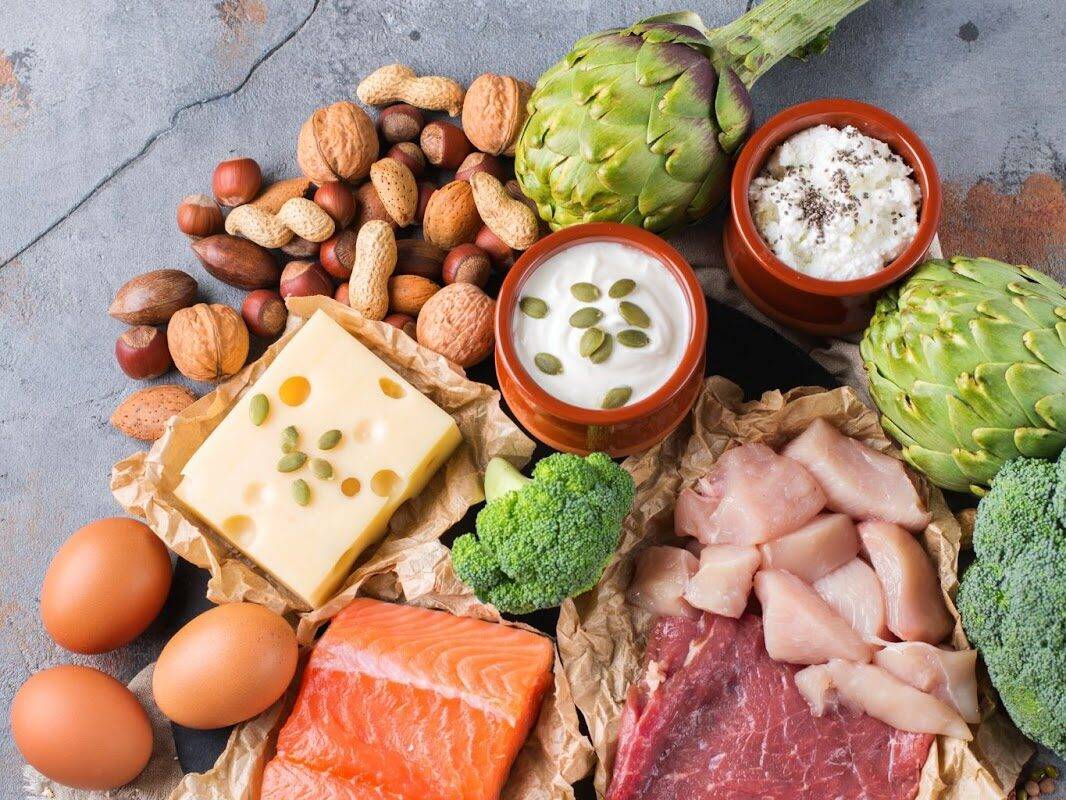
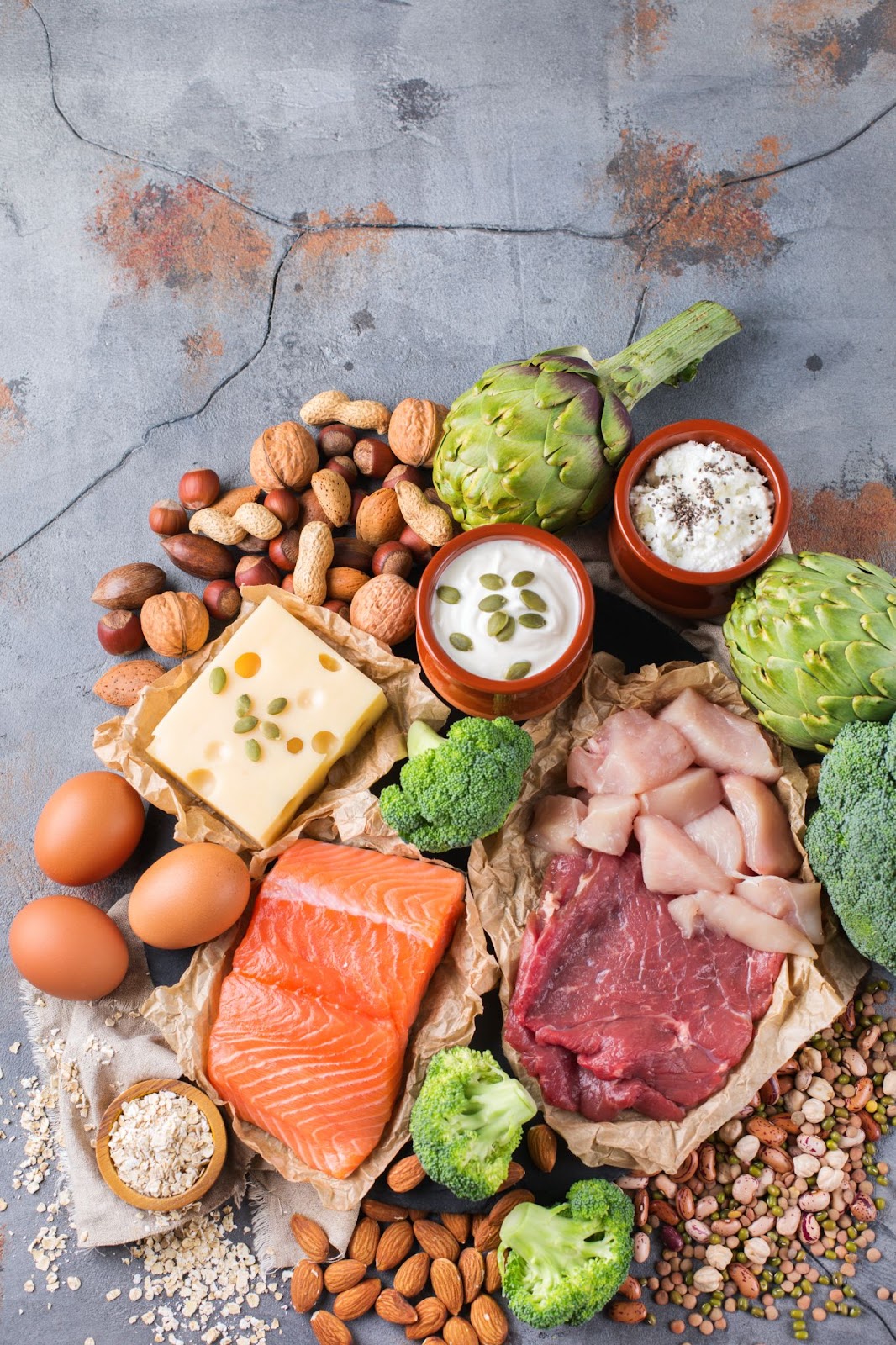
Natural protein is an unaltered protein obtained from whole foods of animal and plant origin. Here’s a breakdown of these sources:

  1. Animal Sources
  • Meat: It comprises beef, pork, and lamb.
  • Poultry: Examples include chicken and turkey, while beef forms part of the red meats.
  • Fish: Some of the varieties that are rich sources of omega-3 fatty acids include; salmon, tuna, and sardine.
  • Eggs: Protein with some trace elements and all the nine essential amino acids.
  • Dairy Products: Milk, cheese, and yogurt can offer quality protein and calcium.
  1. Plant Sources
  • Legumes: Beans like black beans, kidney beans, and lentils are the best proteins to eat.
  • Nuts: Almonds, walnuts ,and peanuts are good sources of protein as well as contain healthy fats.
  • Seeds: Chia seeds, flaxseeds, and pumpkin seeds are full of nutrients; they are very useful for our health.
  • Whole Grains: Quinoa, brown rice, and oats have protein and fiber ingredients.

Benefits of Natural Protein

  1. Nutrient-Rich: Virtually all whole-food protein sources contain vitamins and minerals that are essential for the human body.
  2. Satiety: Natural proteins are always better than processed supplements for satiety and reducing hunger levels.
  3. Balanced Nutrition: Protein taken in natural forms guarantees ingestion of different nutrients in the required ratio.

What are Protein Supplements?

Protein supplements are processed products designed to provide concentrated amounts of protein. They come in various forms, including:

  • Whey Protein: A fast-digesting dairy protein ideal for post-workout recovery.
  • Casein Protein: A slow-digesting dairy protein that steadily releases amino acids.
  • Plant-Based Proteins: These are pea, rice, or hemp protein powders that are suitable for vegans or those with lactose intolerance.

Benefits of Protein Supplements

  1. Convenience: Easy to prepare and consume, making them ideal for busy lifestyles.
  2. Targeted Intake: Allows individuals to easily increase their protein intake without consuming large quantities of food.
  3. Variety: Many flavors and formulations suit different tastes and dietary preferences.

Natural Protein vs. Protein Supplements

Natural protein sources are a part of every functional diet because it is far more favorable than processed protein products. 

  •  Nutritional Profile

Essential proteins derived from whole foods like legumes, nuts, seeds, and animal meats deliver diverse nutrients compared to most supplements. Protein supplements, as we know, provide concentrated protein, but they lack vitamins and minerals that the body requires to maintain good health. For instance, foods rich in natural protein also contain fibers, anti-oxidants, and phytonutrients that help with other body functions and the digestion of nutrients.

  •  Digestibility

Another important consideration again in favor of whole-food protein is digestibility. Surprisingly, many claim natural proteins are easier to assimilate than processed powders. This could be especially true if you get upset stomachs from protein supplements, which could be full of additives or processed beyond recognizable form. Fiber content in whole foods, too, enhances digestion and leads to good stomach health.

  •  Long-Term Sustainability

Introducing natural protein into one’s diet promotes more sustainable meals. People often rely on supplements or products to supply them with the nutrients they require while relying heavily on processed food products. The protein sources are chosen so that different meals can be prepared using whole and natural foods while also satisfying the principle of high environmental impact.

Criteria Whole Natural Food ProteinProcessed Protein Supplements
Nutritional RangeYESNO
Digestibility YESSometimes
Promotes Sustainable Habits YESNO

So, it can be beneficial if opting for natural proteins over supplements, which can enhance nutritional intake, improve digestibility, and promote sustainable dietary practices.  Yet, it is more preferred and recommended to consult with your weight loss professional doctor.

FAQs

  1. Can I get enough protein from natural food sources alone?

Yes, many people can meet their protein needs through a balanced diet rich in natural sources without supplements.

  1. Are protein supplements effective for weight loss?

Yes, they can aid in weight loss by promoting satiety and preserving lean muscle mass during calorie restriction. But consult with your doctor for any such changes to your diet plans.

  1. How much protein do I need daily?

The recommended daily intake varies based on individual goals but generally ranges from 0.8 to 1.2 grams per kilogram of body weight for most adults.

  1. What are the potential side effects of protein supplements?

Some individuals may experience digestive issues or allergic reactions; choosing high-quality products is essential.

  1. How do I choose the right protein supplement if I use one?

Look for high-quality ingredients with minimal additives that suit your dietary restrictions (e.g., lactose-free or vegan). It is highly recommended that you consult with an expert for a more holistic approach and medical aspects.

  1. Can I mix natural proteins with supplements?

Yes, combining both can be beneficial; however, balance is key to avoiding excessive protein intake. For more in-depth, personalized, and professional advice, consult with Dr. Salma, the weight loss specialist.

  1. What are some good natural sources of protein?

Excellent sources include chicken, fish, eggs, dairy products, beans, lentils, tofu, nuts, and seeds.

  1. How do I incorporate more protein into my diet without supplements?

Focus on adding high-protein foods to each meal and snack; consider options like Greek yogurt, cottage cheese, lean meats, legumes, and nut butter.

  1. Can weight loss powders replace meals?

The Weight Loss Revolution suggests that it’s important to maintain a balanced diet that includes whole foods for overall health.

Final Thoughts

Choosing between natural proteins and protein supplements depends on individual preferences, lifestyle factors, and specific weight loss and health goals. While natural proteins offer a wealth of nutrients and satiety benefits, supplements can provide convenience and targeted intake when needed. For those aiming for weight loss or enhanced fitness levels, understanding the role of each option will empower you to make informed decisions that support your journey toward better health.

Bibliography

  1. Phillips, S.M., & Van Loon, L.J.C. (2011). “Dietary Protein for Athletes: From Requirements to Metabolic Advantage.” Applied Physiology, Nutrition, and Metabolism, 36(5), 647-663.
  2. Pasiakos, S.M., et al. (2013). “Protein Supplementation Increases Lean Body Mass but Not Muscle Strength During Resistance Exercise Training in Older Adults.” The Journal of Nutrition, 143(9), 1450-1456.
  3. Tang, J.E., et al. (2009). “Ingestion of Casein and Whey Proteins Result in Different Patterns of Protein Synthesis.” Journal of Nutrition, 139(5), 1028S-1032S.
  4. Messina, M., & Lynch, H. (2017). “Soy Protein Isolate Consumption Improves Lipid Profiles in Adults.” Nutrition Reviews, 75(10), 793-804.
  5. “Protein Powder Guide.” (2022). Healthline. Retrieved from Healthline.

Can weight loss lower blood pressure?

High blood pressure, or hypertension, is a ticking bomb that silently damages your cardiovascular health. In the United States, it’s alarming that, according to the CDC’s 2020 report, about 73% of Americans with hypertension are overweight or obese. At a global level, it’s been observed that nearly 1 in 2 adults have high blood pressure, increasing their risks of cardiovascular diseases by 50%. But do not get worried, as here is the good news: weight loss can significantly reduce blood pressure, slashing the risks by 5–15 mmHg.

In this blog, join me on a journey to uncover the surprising connection between weight loss and blood pressure reduction, as well as ways to lose weight healthily and get healthier and happier. 

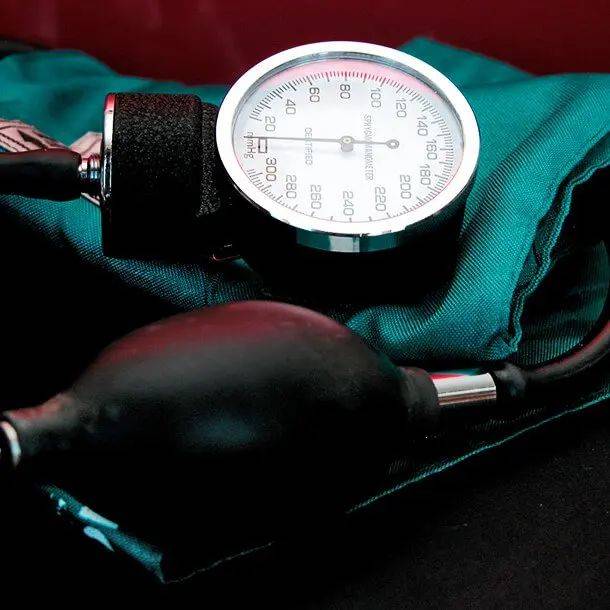
Blood Pressure (manometer)

1. The Connection between weight loss and blood pressure

The relationship between blood pressure and weight loss is intricate yet crucial. Approximately 1.13 billion people worldwide pose serious risks to cardiovascular health due to hypertension. So, understanding the connection between weight loss and hypertension reduction is more crucial than ever.

Doctor checking Blood Pressure

1.1 The Basic Science behind the connection

Excessive weight or being overweight triggers insulin resistance, inflammation, and vascular stiffness, which leads to hypertension. The more the weight, the more vascular stiffness will be, increasing complications for the respective person. Meanwhile, this mechanism is reversed when a person loses weight, leading to improved insulin sensitivity and enhanced vascular flexibility. This synergistic impact lowers blood pressure, reducing cardiovascular disease risks by 20–50%. And, while maintaining consistency in the weight loss journey, the person gets empowered to take control of his health. 

From several clinical trials, evidence suggests that, on average, for all weight loss of 1 kg (2.2 lbs), systolic blood pressure (the top number) is reduced by about 1 mmHg. In people with a lot of weight to lose, this can be even more striking, he said, and this link is worth further scrutiny. In fact, obesity is now categorized as a cardiovascular disease; the level of BP drops significantly after weight loss, and some people do not need additional medications.

2. How do you know if you have a healthy weight?

The key indicators for examining whether you have a healthy weight are the Body Mass Index (BMI) and waist circumference (WC).

BMI: It is a very simple computation based on your height and weight. The normal range is between 18.5 and 24.9. Anyone with a BMI higher than 30 is considered obese, with overweight people categorized under people with a BMI of 25-29.9.

Waist Circumference: Obesity that results in central obesity is one of the leading causes of high blood pressure. For women, a measurement of more than 35 inches for the waist, and for men, more than 40 inches is considered an indicator of too much visceral fat, which is correlated with hypertension.

However, if referring strictly to BMI, it needs to be stated that it gives only a rough idea as it does not include muscle and bone density; also, check for more information to understand the easy way to track your health. More valuable information on total cholesterol, vascular health, BMI, and other anthropometric measurements, such as waist circumference and body fat percentage, is available.

3. Ways to Lose Weight Healthily

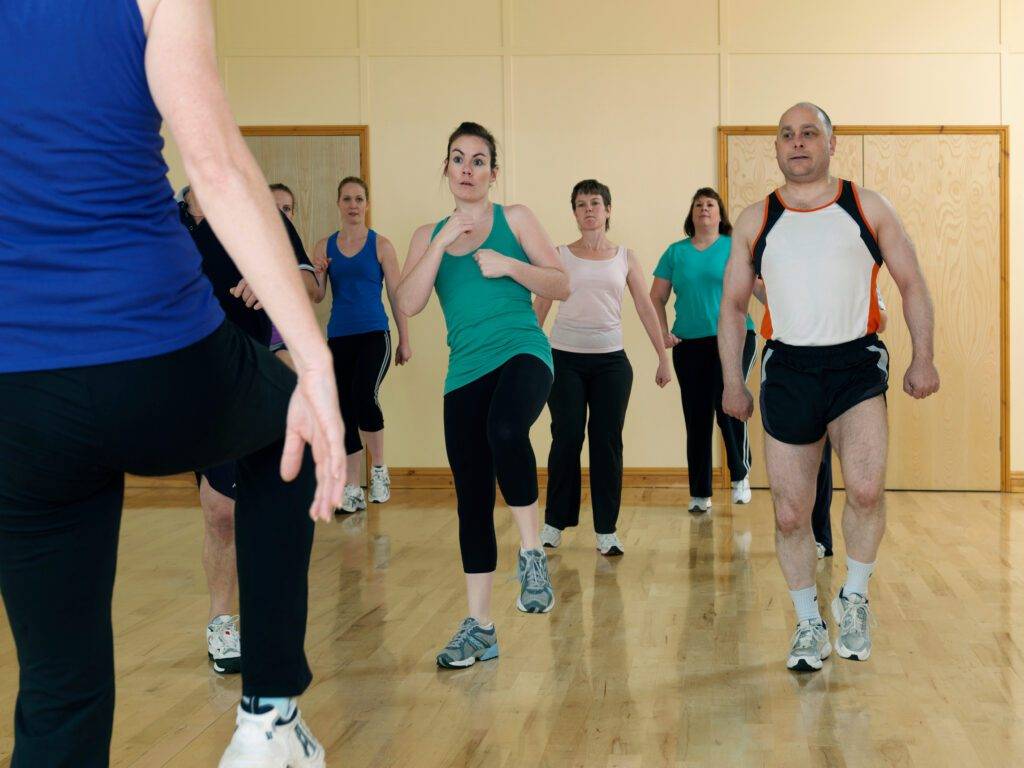
Health enthusiasts running to achieve weight loss goals

Losing weight in a healthy, sustainable way involves a balanced approach that includes:

Balanced Diet: Aim for 5 colourful portions of fruit and vegetables daily and avoid foods high in sugar, salt, and processed foods.

Regular Physical Activity: Be sure to perform at least 150 minutes per week of moderate-intensity aerobic exercise and muscle-strengthening activities twice a week.

Adequate Sleep: Lack of sleep leads to a high probability of becoming overweight and hypertensive. Ensure that you sleep between 7 and 9 hours per night.

Stress Management: Stress also tends to increase the chances of hypertension and make it harder to lose weight. Stress can also be helped by practising relaxation activities, including meditation and relaxing exercises like yoga or deep breathing.

Hydration: Staying hydrated is crucial for metabolism and is quite helpful in managing weight.

The secret is slow, consistent modifications that are as unique as your way of life. This is particularly wrong because it’s dangerous and normally results in temporary effects. Notably, fad diets and specific workout routines are detrimental.

4. Types of Weight Loss and Blood Pressure Reduction

showing results of diet, exercise and combination of therapies demonstrating loose in waist, beige studio background, slimming concept, copy space

Various methods of weight loss can contribute to lowering blood pressure.

Dietary Changes: Dietary intake of food affects both weight and blood pressure largely. For instance, the diet that has informed the Mediterranean diet has been calibrated towards reducing both weight and blood pressure, given that it includes fruits, vegetables, whole grains, lean proteins, and healthy fats. Lowering salt intake is also very important since it increases the blood pressure level.

Exercise Interventions: A change of wardrobe has several benefits; an active lifestyle is crucial to follow for both weight and blood pressure. Cardiovascular activities such as walking, cycling, swimming, or running enable the burning of calories, loss of body fat, and enhancing the strength of the heart. Strength training or resistance exercises, including weightlifting, also assist in weight loss, by helping to build mass and metabolism throughout the body.

Combination Therapy: For many people, the combined use of diet and exercise appears to be most effective. When all these things are coupled with control of the amount of food you take and how you move your body, you can lose weight, hence controlling your hypertension issue. For more comprehensive and personalized advice, consult with doctors.

Non-Surgical Interventions: Laser lipolysis, fat freezing (Cryolipolysis), or EMSCULPT can improve body shaping and fat removal, which arguably will be helpful in some aspects of physical and overall well-being. They can add to the work of losing body fat in certain areas but should not act as a substitute for conventional approaches. For more details, your body needs to consult with an expert doctor.

Surgical Interventions: Bariatric surgery might be advised if you’re severely obese and have failed to shed weight with a proper diet and exercise. This can lead to drastic weight loss, and the consequence of this is that it can even cause a significant drop in blood pressure levels. But before any such surgery,consult an expert doctor.

5.FAQs

1. How much weight loss do I need to see a reduction in blood pressure? 

A modest weight loss of 5–10% of your body weight can significantly improve blood pressure.

2. Can I reduce my blood pressure without losing weight?

Yes, other lifestyle changes, such as reducing sodium intake, exercising regularly, and managing stress, can help lower blood pressure even without significant weight loss.

3. Is weight loss safe for individuals with high blood pressure? 

Yes, reducing weight is safe and recommended for people with hypertension. However, consult with your doctor to monitor your progress and change the medication if necessary.

4. Can weight loss be harmful to blood pressure if done incorrectly?

Extreme or rapid weight loss can cause fluctuations in blood pressure and may lead to dehydration, nutrient deficiencies, or other health complications. It’s important to lose weight gradually and healthy.

5. What is the most effective type of exercise for reducing blood pressure?

Regular exercise, a combination of aerobic and strength exercises (such as weightlifting), is the most effective approach for reducing blood pressure and improving overall health.

6. Are there specific diets that are better for lowering blood pressure?

Yes, the holistic approach can be beneficial for lowering blood pressure. It emphasizes low-sodium, high-potassium foods and a focus on fruits, vegetables, lean protein, and whole grains.

7. How quickly can I see a reduction in blood pressure after losing weight?

The timeline varies depending on factors like the amount of weight lost and your overall health. However, most people begin to see improvements in blood pressure within a few weeks to months after losing 5-10% of their body weight.

8. Can stress affect weight loss and blood pressure?

Yes, stress can hinder weight loss efforts and raise blood pressure.

9. How does sleep impact blood pressure and weight loss?

Lack of sleep hinders the weight loss goal achievement and also leads to hypertension by affecting the hormones that regulate craving, mood, and metabolism.

Conclusion

Reducing weight is an effective way to control blood pressure and promote good health in the long run. Recently, weight loss through restrictive diets, physical training, or even operations may significantly affect both blood pressure and further cardiovascular outcomes. Emphasis on bringing gradual though positive change in lifestyle and thus regaining control over your health to lead a happier and healthier lifestyle.

Bibliography
  • American Heart Association (AHA). (2021). “How to Lower Your Blood Pressure.”
  • Mayo Clinic. (2023). “Obesity and High Blood Pressure.”
  • National Institutes of Health (NIH). (2022). “Weight Loss and Blood Pressure: What’s the Connection?”
  • Centres for Disease Control and Prevention (CDC). (2023). “Healthy Weight, Nutrition, and Physical Activity.”