When it comes to losing fat, many people focus on shedding pounds from their belly, arms, or thighs, but what about the face? The most important feature to cash and the thing that comes into notice at first is the face.
Meanwhile, the excess fat on your face makes you look heavier than you actually are; achieving a slimmer, more defined, and rejuvenated face is a common aspiration.
If you’re wondering how to lose fat on the face while not compromising on overall health, you’re in the right place.In this well researched piece , we’ll explore practical tips to help you achieve a more sculpted face.
What is Fat Face?
Face fat is the development of fat tissue on the face, which causes a rounder and fuller face appearance. But even if you may want to treat a localized area, one must remember that you cannot target a localized area for fat when considering weight loss.
WHY DO WE HAVE FAT ON THE FACE?
Often, when someone thinks of weight loss so that they could get into shape, it is often because his/her face is constantly flagged. After all, the face is the first thing that comes to their eyes when looking into a mirror, and excess weight can often be very conspicuous. It is therefore quite understandable to want to lose weight from the face first. But, first it is important to learn: Why do we have fat on the face?
As the weight loss journey and normal life, differ from person to person. Likewise, weight gain affects different areas of the body in various ways, and for some people, the face is one of the first places where weight gain becomes noticeable. Here are several reasons why this might happen:
Fat Distribution: Genetics play a significant role in how and where your body stores fat. Some individuals are predisposed to store more fat in their face, leading to a fuller appearance when they gain weight.
Subcutaneous Fat: The face has a layer of subcutaneous fat that can increase with overall weight gain. This fat can accumulate in areas like the cheeks, chin, and forehead, making the face appear rounder.
Water Retention: Weight gain can also be associated with increased water retention, which can cause puffiness, particularly in the face. Factors such as salt intake, hormonal changes, and dehydration can contribute to this.
Aging: As people age, they naturally lose collagen and elasticity in their skin, which can make the accumulation of fat in the face more noticeable.
Lifestyle Factors: Diet, hydration, sleep, and exercise habits can all influence where weight is gained. Poor diet and lack of exercise can lead to overall weight gain, which may disproportionately affect the face.
Science Behind Facial Weight Loss
After understanding the reasons “why do we have fat on our faces?” it naturally comes in: What is the solution for fat loss?. Actually, scientifically targeting a specific area or body part for fat loss is known as spot reduction.
Even though the fitness industry chimes with many claims to specifically slim down the face, there is very little to substantiate the very concept of spot reduction.
Chances are good that that’s due to fat cells storing all over the body and being able to be broken down and therefore used by the body for fuel during exercise. The body can draw fat from anywhere, some part of which isn’t even the area under training.
Overall, fat loss would be the most optimal approach for an individual planning to shed facial fat sustainably.
Ways That Potentially Help To Lose Fat On The Face
If you are reading still now , definitely you want to lose some body fat from your checks, necks, and even your chin.
While it might seem daunting to target this area specifically, adopting a holistic approach that includes diet modifications, regular exercise, and facial exercises can lead to noticeable improvements.
1. Drink more Water
Hydration can be useful for health in general. In particular, it is useful in reducing facial fat.
According to a 2016 review of hydration and water loss, drinking water promotes lipolysis. The lipolysis occurs when the body breaks down fat stores into fatty acids that it can use as energy.
Also, drinking water really causes satiety, hence reducing the consumption of calories naturally—an important feature in losing weight.
Facial fat attributed to weight can be decreased with weight loss, and proper water intake assists with this weight loss.
2. Balanced Diet
Diets rich in processed foods, such as refined carbohydrates, may increase the risk of weight gain and obesity.
Processed foods are more likely to be higher in calories, salt, and sugar when compared with whole foods. Refined carbohydrates are a very processed group of grain-based foods. Upon processing, these foods lose fiber and nutrients. They are empty calories.
Refined carbohydrates can also cause quick spikes in blood sugar, which may again prompt a person to overeat.
Some examples of refined carbohydrate foods are:
Pasta
White rice
White bread
Sugar
Syrups and frostings
Most breakfast cereals
Less fat products
For those ready to trade overly processed foods and refined carbohydrates for fresher alternatives, finding reasonably convenient substitutes is often not terribly difficult. By eating fresh, whole foods, a person could trim caloric intake and increase nutrient consumption. Paired with exercise, this kind of diet may allow people to lose excess fat in the face and body.
3. Do Cardio
Cardio or aerobics is any exercise that increases your heart rate.
A study conducted in 60 women in 2023 explored the effects of 12 weeks of aerobic exercise on body composition.
Women participated in the aerobic training program and reported lost body fat by increasing lean muscle mass, reducing body weight, and shrinking waist circumference after 12 weeks.
Research from 2022 suggests that aerobic exercise is even more effective when combined with resistance training and a healthy diet.
The Centers for Disease Control and Prevention recommend at least 150 minutes of moderate-intensity aerobic activity per week and two days of resistance training.
A few common examples of aerobic exercise include:
Running
Dancing
Walking
swimming
4. Do facial exercises
Cosmetic face yoga can be employed to tone facial muscles, which may diminish the effect of fat depositions around the face, aside from defining facial features and restoring elasticity and firmness to the muscles, thereby giving one a vibrant and youthful appearance.
Types of Facial Exercises:
A study (Alam et al., 2018) published in JAMA Dermatology found that performing facial exercises for 30 minutes daily over 20 weeks improved facial muscle thickness and reduced signs of aging.These are some of the effective facial exercises you may incorporate into your daily life:
Different types of facial exercies that are effective in fat loss are as:
Exercise
Instructions
Chin Lift
Tilt head backward toward the ceiling with pouting lips; hold for 15 seconds; repeat 10 times daily. The exercise works the muscles under your chin and helps you achieve a double chin, and tightens the neck muscles.
Lip Pull
Lift your lower lip upwards while moving your jawbone; hold for 15-20 seconds; repeat fifteen times daily. This helps in strengthening lip muscles and contribution to better mouth definition and looking slimmer around the mouth area.
Fish Lip
Suck in your cheeks and lips, creating a fish with a facade; hold this position for 15-20 seconds; repeat twenty times on a daily basis. This exercise builds the muscles in the cheeks, which reduces puffiness and gives the definition of cheekbones, making a sculpted shape in the face.
Tips to Effectively Do Facial Exercises:
Be Regular: Have an exercise routine that enables you to sense a variation over time.
Be Patient: Ensure you’re doing each exercise correctly to effectively target the right muscle groups.
Combine with Other Strategies: While facial exercises have a role in muscle toning, combining them with diet modifications and consistent cardio/strength training will boost all weight-loss endeavors to include facial fat loss.
Poor sleep increases cortisol levels in the body. These higher levels of cortisol promote fat storage, thereby potentially causing weight gain over time. Sleep deprivation changes the hormonal balance in your body, causing increased cravings for food and sugar. Quality sleep is vital for metabolism regulation, fat burning, and overall health.
5. Get enough sleep
Stick to a sleeping and waking schedule for 7-9 hours a night, and try to reduce screen time an hour before bed and create a restful sleeping environment. Also, engage in a few relaxation techniques, such as meditation or reading, to improve sleep quality, thus allowing your body to regain its strength and function optimally.
6. Cut back on refined carbs
In addition to a calorie deficit, it is really useful to cut back refined carbs like sugar. Sugar has been linked, in particular, to unwanted fat around the belly and coat the face. Opt for healthier alternatives such as stevia leaves to quench your sugar craving.
7. Avoid Poor Posture
Believe it or not, poor posture can significantly affect the appearance of your face. Slouching doesn’t just impact your back and neck—it can also lead to a double chin and a less defined jawline. When you slouch, the muscles in your neck and jaw relax, causing the skin and fat under your chin to sag.
Research supports the connection between posture and facial aesthetics. A 2017 study published in Physiotherapy Theory and Practice found that poor posture, particularly forward head posture (FHP), can alter the alignment of the neck and jaw muscles, leading to a less defined jawline and increased visibility of a double chin. Over time, this can create the appearance of a fuller face or a less sculpted jawline.
Additional Tips
In addition to a proper diet, exercise, and the practice of facial exercises, there are several other methods that may also help to decrease face fat and enhance facial aesthetics.
1. Limit Sodium Consumption
High sodium is infamous for water retention, leading to puffiness of the face. When the body detects high sodium levels, it retains excess water to dilute the salt concentrations in the blood. The result is puffiness and swelling, not only of the face but also of the other parts of the body: limbs and abdomen. To minimize sodium levels:
Read Labels: Check nutrition facts labels when buying food products. Go for items with less than 5% Daily Value (DV) of sodium.
Select Reduced-Sodium Options: Opt for reduced-sodium sauces and condiments so you could avoid excessive intakes while still enjoying high flavor.
2. Reduce Alcohol Consumption
Empty calories from alcohol contribute to weight gain. This leads to dehydration which in turn causes puffiness in the face. Alcohol induces fluid retention as it tends to act as a diuretic. When dealing with the initial stages of dehydration, alcohol might be able to promote increased fluid retention; instead, it merely leads to increased thirst, hence making a person drink more water later and not all of which could be processed effectively by the body, leading up to temporary fluid buildup in subcutaneous tissues and increasing puffiness, especially around the eyes & cheeks area. Therefore, reducing alcohol flame consumption will give greater hydration and reduce such effects over time.
Consider Professional Advice- Weight Loss Revolution
Weight Loss Revolution don’t let anyone down in the journey of weight loss revolution. So for those who are genetically predisposed to fat face or feeling difficult to lose fat face, just contact us for the professional treatments.
Bottom Line
In case you have read this piece, you have been informed that the scientific claims that cutting down calories, drinking enough water, doing facial exercises, and getting adequate sleep are effective in getting a slimmer face. Each person has a distinct shape and a set of features in the face; hence, one should find charm in every natural facet just as much as they should strive to learn how better to shape whatever they desire. Be consistent, patient, and set your sights on the goal—a slimmer, more confident you!
With these tips, you will not only reduce face fat, but also aid your health and wellness. Get started today, and you will see your face transform with your body!
Jeong, H. J., & Kim, Y. K. (2017). Effects of forward head posture on the myoelectric activity of neck muscles and respiratory function. Physiotherapy Theory and Practice, 33(7), 525-531.
Alam, M., Walter, A. J., Geisberger, E., Roongpisuthipong, W., Graf, J., Poon, E., … & Nguyen, J. K. (2018). Association of Facial Muscle Exercise With the Appearance of Aging. JAMA Dermatology, 154(12), 1447-1449. https://doi.org/10.1001/jamadermatol.2018.3478
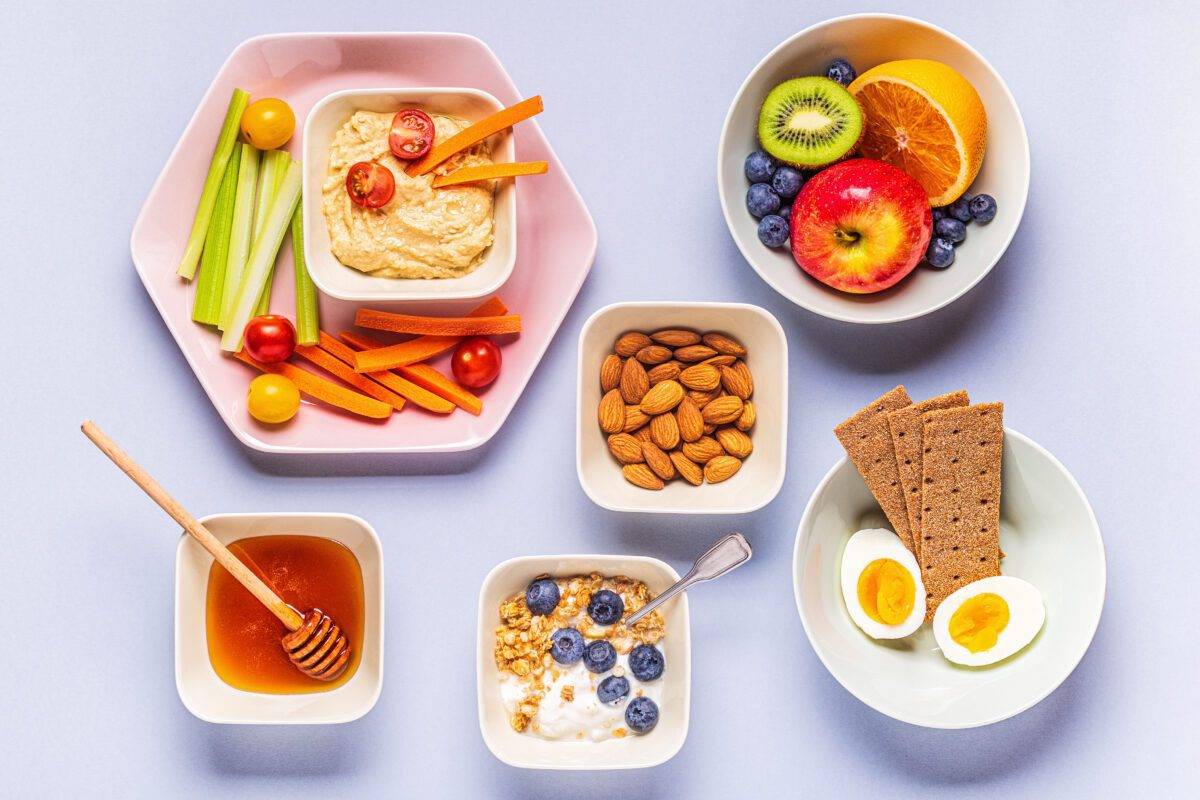
If you think snacking is the enemy of your weight loss goals, think again! The right snacks can be your best allies in achieving your health goals, maintaining energy levels, and curbing hunger pangs. With a little creativity, you can enjoy tasty bites that nourish your body and support your goals.
In this blog, we will explore the 10 best healthy snack ideas that promise satisfaction without guilt—perfect for anyone looking to lose weight while enjoying their food! From crunchy veggies to protein-packed treats, these snacks will delight your taste buds and help you maintain a balanced diet.
What are Healthy snacks?
Snacks are generally smaller than meals. Healthy snacks are defined as food or meals that provide essential protein, nutrients, and energy while being low in added sugars, unhealthy fats, and sodium. Snacks are designed to boost your health and help maintain balanced blood sugar levels, restricting energy crashes throughout the day. Healthy snacks can play an essential role in managing hunger, supporting weight loss, and overall well-being.
How to Choose Healthy Snacks
There is no hard and fast rule for how many snacks to eat daily. Snacks should be selected while considering energy levels, curbing hunger, and supporting weight loss goals. Whenever choosing a healthy snack, keep in mind this idea that snacks should be:
Focus on Nutrient-Dense Options
You should pick nutritious snacks with minimal calorie content. Groups of foods with density-load nutrients deliver vitamins, minerals, and various health-enhancing substances yet have a minimal calorie count.
Combine Macronutrients
Snacking success requires combining protein with healthy fats and carbohydrates in your choices. These healthy combinations maintain your inner fullness while controlling blood sugar responses throughout the day.
For instance, a pair of apple slices with peanut butter offers carbohydrates and healthy fat content. You should eat Greek yogurt with berries for protein benefits combined with carbohydrates in a nutritious snack, etc.
Watch Portion Sizes
Consuming excessive quantities of healthy snacks may eventually lead to weight gain. Small bowls or containers help you monitor snack portion sizes. A small nusbasket or a small portion of yogurt creates a complete serving that makes you feel full without exceeding your calorie limits.
Limit added sugars and unhealthy fats
Avoid snacks that are high in added sugars, unhealthy fats, or refined carbohydrates. These can lead to energy crashes and increased cravings. Instead, choose whole foods that are minimally processed. For example, opt for plain yogurt instead of sugary-flavored varieties.
10 Healthy Snacks ideas to boost Weight Loss
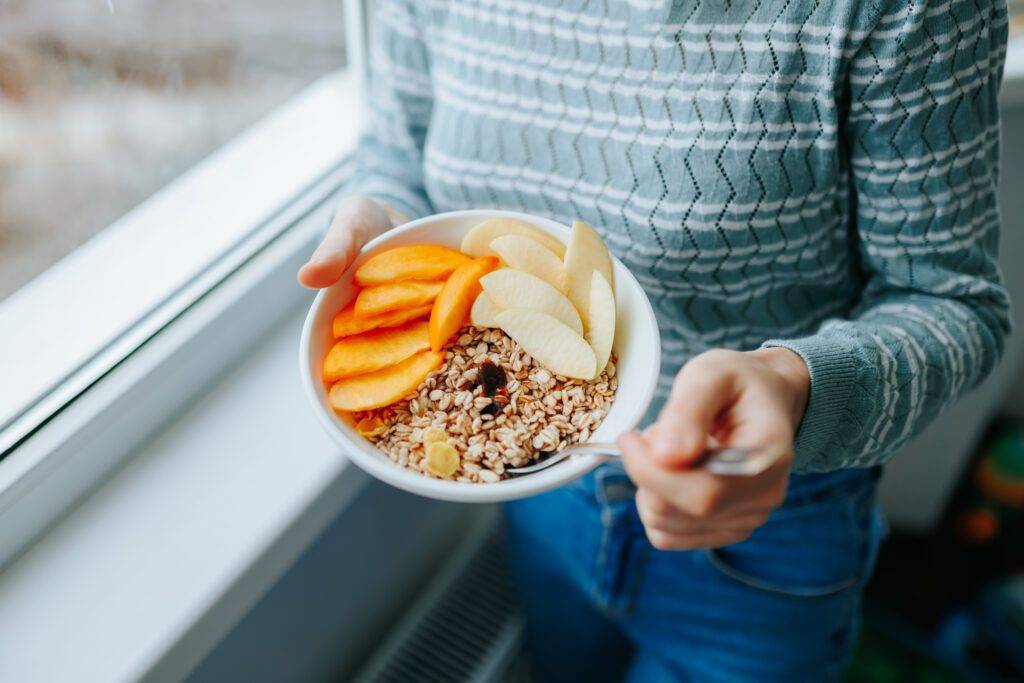
Young woman eating muesli cereal breakfast with raw fruits in a white bowl viewed directly from above. Female hand holding a spoon with fresh rich in fiber granola dish viewed from above. Top view.
Incorporating these healthy snacks into your diet can help you stay energized and satisfied throughout the day while supporting your health goals
1. Greek Yogurt with Berries
Greek yogurt stands out because of its high protein content, which provides substantial filling power for snacks. Combine Greek yoghurt with strawberries or blueberries to get the advantages of antioxidants, fibre, and sweet flavour. This tasty blend works double duty as an excellent meal mix, strengthening digestive health and helping rebuild muscles.
2. Mixed Nuts
A small serving of two or three different mixed nuts, including almonds, walnuts, or pistachios, delivers the necessary protein and healthy fats. Nuts contain dense energy content, but their rewarding texture and essential nutrients allow them to serve as effective appetite-controlling snacks. Watch your serving size to enjoy this nutritious snack.
3. Hummus with Veggies
Hummus based on chickpeas contains fibre, which adds protein to your diet. Consuming hummus alongside carrots, cucumbers, or bell peppers creates a delightful crunchy snack with a few calories and plenty of beneficial nutrients.
4. Cottage Cheese with Pineapple
Cottage cheese is one of many fullness-promoting protein selections featuring high nutrient values. Both nutritional value and digestive assistance come from pineapple when you serve chunks with it because bromelain is an enzyme found in this fruit.
5. Apple Slices with Peanut Butter
Apples contain plenty of fibre and water to keep you feeling full throughout the day. A nutritious snack blend of apple slices combined with one tablespoon of peanut butter gives you both vital fats and proteins to fulfil your needs for sweetness and savoury tastes.
6. Hard-Boiled Eggs
Portable hard-boiled eggs deliver substantial amounts of protein to your diet. These nutritious snacks offer high levels of essential nutrients yet possess very few calories, which helps people lose weight and maintain their muscles.
7. Avocado on Whole Grain Toast
Avocado toast has become popular because it combines nutrition with great taste appeal. One slice of whole-grain bread with half an avocado provides a nutritious combination of wholesome fat and dietary fibre and protein from the avocado that minimizes hunger cravings.
8. Edamame
Small soybeans called edamame contain a high amount of both dietary fibre and protein. Steamed or boiled edamame served with a pinch of sea salt makes for a delicious, nutritious snack that leaves you full and happy.
9. Chia Seed Pudding
Consuming chia seeds provides two significant benefits, which are high fibre content alongside omega-3 fatty acids to boost your sense of fullness. Soak chia seeds in almond milk and add simple flavours of honey or vanilla extract before refrigeration, turning them into a smooth pudding snack that brings together nutritious elements and an enjoyable taste.
10. Dark Chocolate and Almonds
You can savour sweet moments by eating dark chocolate with almonds without harming your weight loss progress. Savour a little dark chocolate and almonds together because this pairing delivers antioxidants in dark chocolate and healthy fats along with protein, so they satisfy your dessert cravings without interrupting your weight management plan.
Can I snack and still lose weight?
Yes, you can snack and still lose weight! The main mantra is to choose the right snacks that are nutrient-dense and low in calories. Healthy snacks can help manage hunger, prevent overeating at mealtimes, and provide essential nutrients that most people lack in their diets.
Snacks are also a great way to add extra nutrition to your day. When considering what to snack on, think carrots and hummus, an apple with almond butter, or whole-grain crackers with cheese.
Research suggests that snacking on foods rich in protein, fiber, and healthy fats can keep you satisfied throughout the day and, if not managed properly, may lead to weight gain.
Bonus Tips that Keep You Satisfied
When you are starving for snacks, always opt for fruits, vegetables, nuts, and whole grains. While considering all essential elements, prepare healthy snacks in advance to make it easier to grab them when you are on the go. Try these tips and strategies to make healthy snacking routines more simple and satisfying.
Plan Ahead of Your Grocery Store Trip
Research shows that meal planning can improve food variety and diet quality. Planning your food ahead of time has also been found to aid in weight loss and management.
When grocery shopping, consider what healthy snacks you require during the week to create a personal shopping list. The list should include fruits and vegetables, whole grain options, and nutritious protein sources.
Prepare your snacks in advance
Wash and cut fruits and vegetables before storing snack food. Package them in reusable containers. Making batches of snacks in advance helps you have easy access to healthy nourishment at home and outside the house.
Combine Food Groups
By selecting different foods from multiple food groups, you will obtain a more balanced set of nutrients in your snack. Smaller serving sizes combined will give you a greater variety of nutrients and improved nutrient absorption.
Snack Mindfully
Eating in an unfocused state fails to create satisfaction, which results in overeating beyond meal portions. Take a few moments right now to pause what you have been doing. Pay attention to smell and taste and experience complete enjoyment of the snacks. Give up using electronic screens, such as phone calls and work devices, and screen time throughout meals and snacks.
Quick Review
Snacking can be part of a healthy eating pattern. The key is choosing healthy snacks and limiting foods high in sugar, sodium, and saturated fats. Nutrient-dense 10 healthy snack ideas are discussed, including yogurt, berries, and fruits.
Moreover, planning the snacks and consulting with a registered doctor for individual meal planning is highly recommended.
FAQs
Q: Can snacking help with weight loss?
A: Yes! Healthy snacks stop hunger and overindulgence at meals because they deliver essential nutrients to our bodies.
Q: How do I control portion sizes for snacks?
A: Small bowls or containers should measure meals because eating from large packages can lead to mindless consumption.
Q: Are there any snacks I should avoid?
A: When attempting weight loss, avoid snacks loaded with empty calories, unhealthy fats, or added sugars, such as sugary granola bars and chips.
Q: How often should I snack?
A: Which dietary approach works best for you depends on your personal requirements since some individuals need smaller meals throughout the day instead of larger meals.
Are you frustrated with the quick-fix diets’ false promises of rapid weight loss? It’s time to explore a holistic approach that supports you in your weight loss journey and ensures overall well-being without compromising your health. Enter homoeopathy- a gentle yet powerful system of medicine that targets treating a person, not the symptoms. In this blog, we’ll delve into what homoeopathy remedies are, how they work, whether homoeopathy is effective, and what their vital role is in achieving sustainable weight loss. Additionally, we will delve into Desbio products and their relevance.
So it’s the time to say goodbye to yo-yo dieting and hello to a healthier, more balanced you!
Homeopathy Definition?
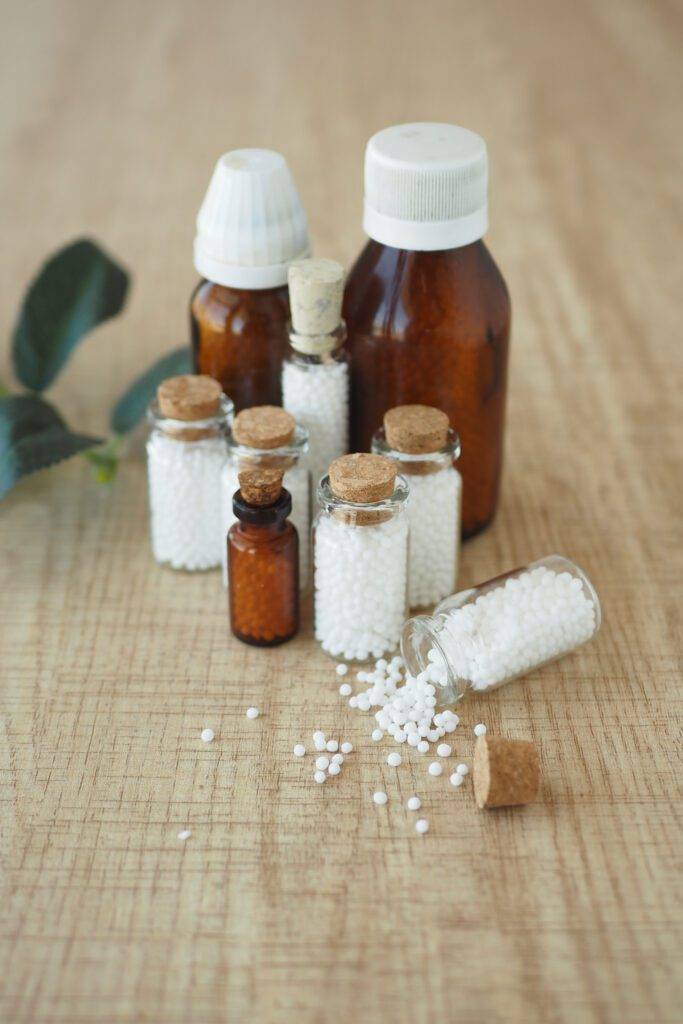
Homoeopathy is a medical system—other than normal pharmaceuticals—based on or composed of natural substances derived from plants, minerals, and animal products that have been diluted and succussed (shaken vigorously) to create treatments that stimulate the body’s self-healing processes. The core principle behind homoeopathy is “like-cures-like,” meaning that a substance causing symptoms in a healthy individual can be used in diluted forms to treat similar symptoms in someone who is ill by triggering the body’s natural defences.
HOMEOPATHY-DEFINITION + HOW DOES HOMEOPATHY WORK
How does Homeopathy work?
Homeopathy is a traditional holistic system of medicine that aims to stimulate the body’s natural healing processes. The more than 200-year-old medical system works on the principle of “likes cures likes,” meaning that a substance causing symptoms in a healthy person can be used in a diluted form to treat similar symptoms in someone who is ill or suffering from some disease.
For instance, in very simple terms, exposure to poison ivy leads to itchy and blistering rashes. In the reign of homoeopathy, a highly diluted preparation of poison ivy is used to treat skin irritation and rashes that resemble the symptoms caused by the plant.
How are Homeopathy Medicines Made?
How are Homeopathy Medicines Made?
You might have multiple questions, it’s most likely you know or have some ideas like pharmaceutical drugs are made in labs by adding various chemicals and so on. But how is this traditional holistic approach to healing made? Let’s break down how homeopathy is made in an engaging and easy-to-understand way. The preparation of homoeopathic medicines involves several key steps:
Selection of substance: A natural substance is chosen based on its potential therapeutic effects. Homeopathic medicines can be derived from various sources, including plants, minerals, and animal products. For example, Allium cepa(red onion) can be used to create a homoeopathic remedy.
Dilution: At the heart of homeopathy is the process of creating remedies through dilution. This means the selected substance is repeatedly diluted in water or alcohol. For instance, to create a D1 potency, one part of the mother tincture (the original extract) is mixed with nine parts of solvent and then vigorously shaken. This process is repeated for higher potencies (D2, D3, etc.) by taking one part of the previous dilution and remixing it with nine parts of solvent.
Succussion: The diluted substance is vigorously shaken to enhance its healing properties; it’s not regular shaking. This step is believed to imprint the healing properties of the original substance onto the diluent.
Potentization: This step may be repeated multiple times to achieve higher potencies. Homeopathic remedies can be prepared using different potency scales:
Centesimal Scale (C): Involves diluting one part of the substance with 99 parts of solvent (1:100 ratio).
Decimal Scale (D): Involves diluting one part of the substance with nine parts of solvent (1:10 ratio).
Millesimal Scale (M): A more refined dilution method used for higher potencies
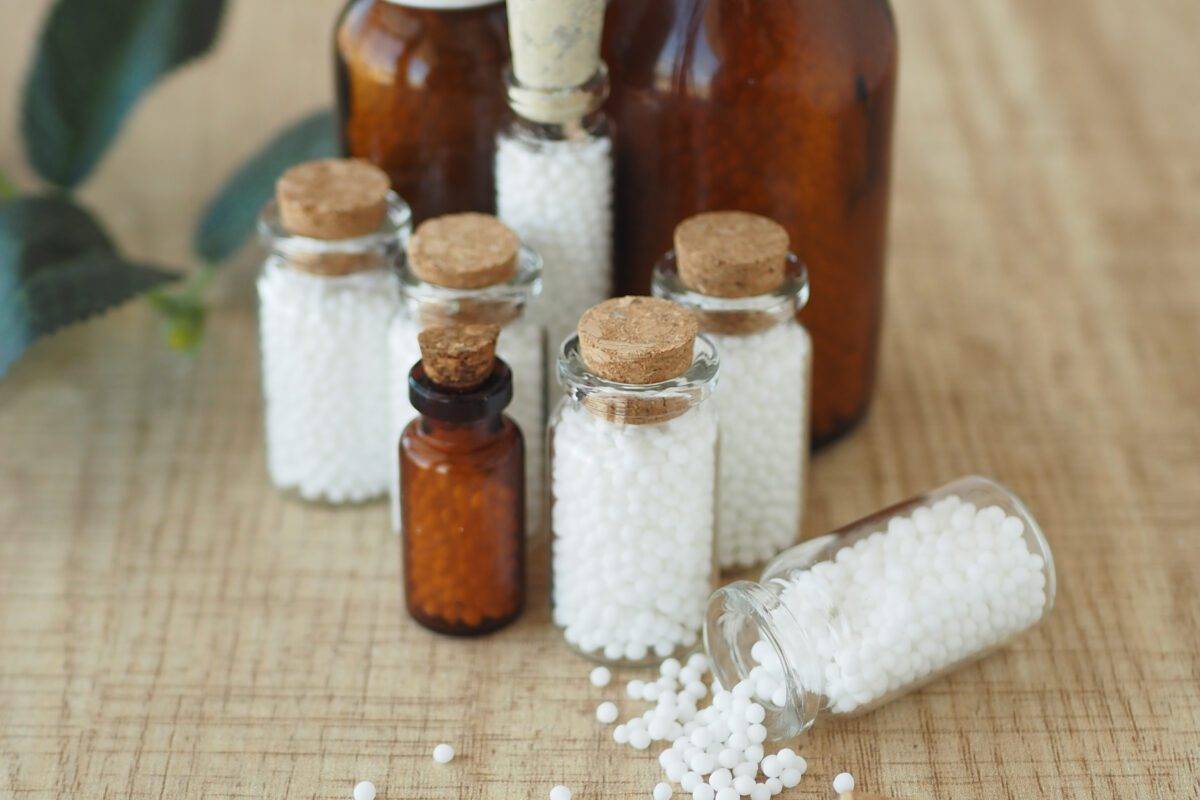
Formulation: The final product can be prepared in various forms, such as pellets, tablets, or liquid tinctures.
This meticulous process ensures that homeopathic remedies are both safe and effective for use.
From where does Homeopathy originate?
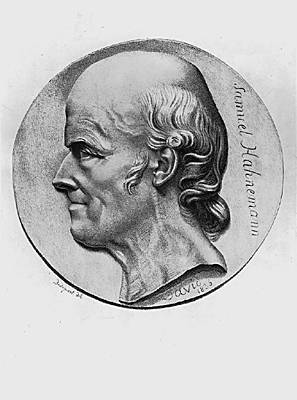
You are not the only health enthusiasts who are dissatisfied with medical practices and slogans of your time. In the late 18th century, there was also a German physician, Samuel Hahnemann (1755-1843), who was dissatisfied with his time’s medical practices, e.g., Leeches.
Samuel Hahnemann’s work laid the foundation for homeopathy, a formal system of medicine. Hahnemann’s approach was based on the principle of “like cures like,” in which he discovered that a small amount of substance that caused symptoms in a healthy person could be used to treat similar symptoms in those who were ill or suffering from a disease.
You will even be surprised to learn that the concept of Homeopathy can be traced back to ancient times, with roots in the ideas of Greek physician Hippocrates. But the real title goes to Hahnemann, who systematized it into a coherent method of treatment.
Are Homeopathy Remedies Effective?
Research is mixed. Some studies show that homeopathic remedies are helpful, while others don’t. However, the medical system with over 200 years of history and main body in Germany.
However today, homeopathy is practiced worldwide and has evolved into various schools of thought, but its origins remain firmly rooted in Hahnemann’s innovative approach to health and healing.
Is Homeopathy regulated?
In 1938, the US Congress enacted a law under which homeopathic products are treated in the same way as non-prescription or over-the-counter (OTC) drugs by the US Food and Drug Administration (FDA). This means that a homeopathic medicine can be bought over the counter, and this will not require a doctor’s recommendation. In contrast to traditional prescription drugs and newly introduced OTC drugs, before homeopathy drugs and products can be sold out, they do not need to pass through clinical trials and FDA scrutiny. They can only be produced to minimum legal strength, quality, purity, and packaging requirements. In 1988, the FDA said that to protect the consumers, all homeopathic medicines should include in the label the diseases they are intended for. The FDA also needs the label to contain a list of ingredients, dilutions, and installation procedures of the product.
Homeopathic medicines regulation is described in an official manual known as the Homeopathic Pharmacopoeia of the United States, prepared by a nongovernmental, nonprofit organization of industry representatives and homeopathic specialists. The Pharmacopoeia also contains provisions for the experimental introduction of new remedies and reference checks of curing efficacy.
The Role of Homeopathy in Sustainable Weight Loss
Come to the main issue, weight loss management. Homeopathy can significantly contribute to sustainable weight loss through various mechanisms:
Addressing Underlying Causes: Some of the homeopathic remedies are known to address other conditions like hormonal imbalances, binge eating and metabolic disorders much as the remedies are an effective treatment for IBS. For instance, medicines such as Calcarea Carbonica may be recommended for use for people with thyroid related disorders that cause weight gain.
Stimulating Metabolism: It is also cuts that have been thought to act as metabolism boosters and fat burners in homeopathy. For instance, Fucus vesiculosus has actions for the thyroid gland and for increasing metabolic rates.
Reducing Cravings: It is because the process of craving eating is based on some emotions, and homeopathy acts on these emotions successfully. When the weight gain is a result of stress or depression, there are remedies such as Natrum mur that the practitioner can recommend.
Holistic Approach: Taking account of one’s health state, both physical and emotional, homeopathy can therefore be seen to encompass a wider range of Weight loss management options than conventional methods.
Is Homeopathy effective for weight loss?
The efficacy of some homeopathic remedies for weight loss is in dispute among scientists as well as other practitioners. Although there are works that state that it would have positive effects, some state that the benefits could be because of the placebo effect. Still, most people claim that the use of homeopathic remedies in conjunction with diet and exercise is effective.
Does Homeopathy Work or Not?
Yes, homeopathy can be an effective tool for weight management when used appropriately.It supports people, giving them the option to take better care of their health as well as focusing on certain ailments that lead to gaining weight. One thing with homeopathy is that a person can always see a homeopath to be asked about one’s problems and then be treated accordingly.
The Role of Desbio Products for Weight Management
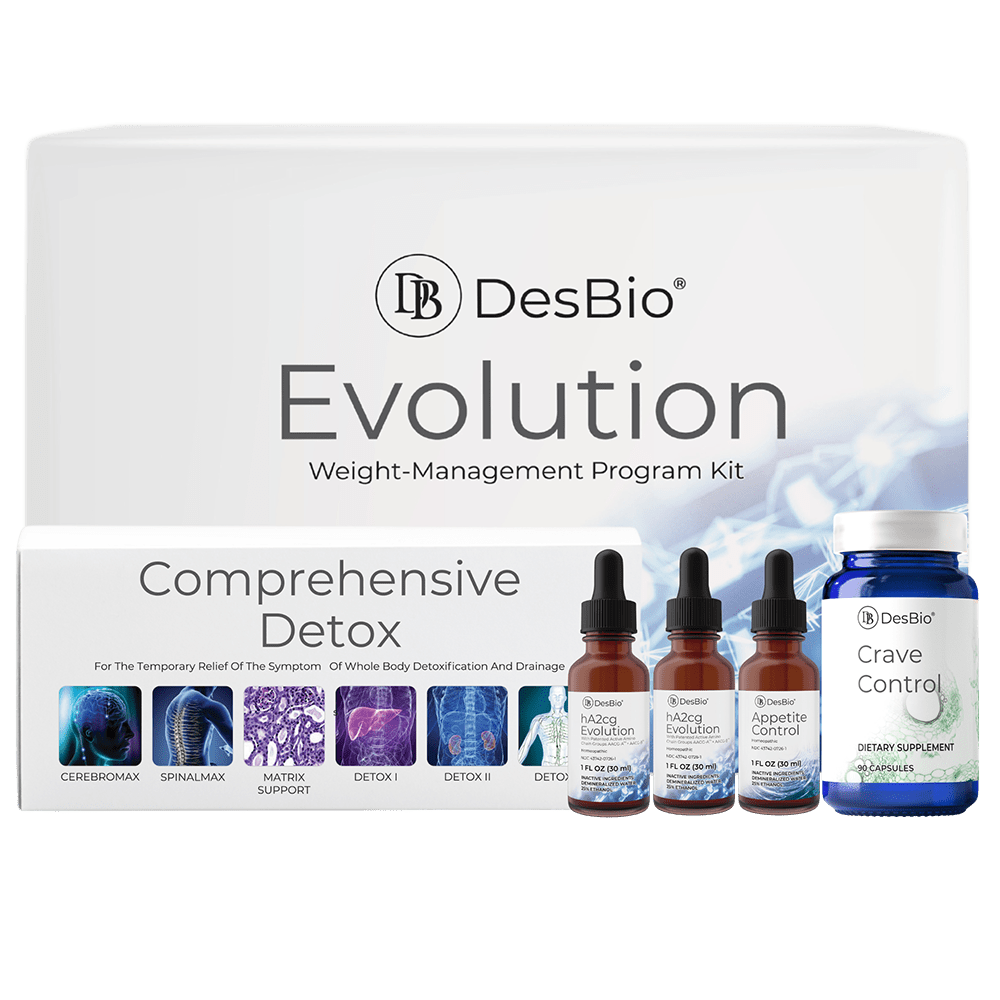
Desbio offers a range of homeopathic products designed to support weight loss and overall wellness. They used constituents in their formulations that address metabolic areas and detoxification which fits well with the homeopathic approach. For example:
Desbio’s HA2cg Starter Package: This product also involves homeopathic drops aimed for appetite suppressants and metab. It also offers an extensive quick weight loss nutritional guide to assist in the discharge of resulting toxins.
Detoxification Products: Desbio reports implementing detox products that work together with weight lose products to enhance toxin elimination and digestive system work. These products are very important to undertake while on a particular diet since they cater to instances where one is stuck for a long time due to the accumulation of toxins in the body.
The use of Desbio products can improve the results of homeopathic therapies with the help of its inclusion in an individual weight reduction program.
Final thoughts
Homeopathy offers a promising approach to sustainable weight loss by focusing on holistic health and personalized treatment plans. By integrating lifestyle changes with homoeopathic remedies and considering products like those from Desbio, individuals can embark on a journey toward improved health and well-being. If you’re considering homoeopathy as part of your weight loss strategy, consult with a qualified practitioner to ensure you receive tailored care that meets your needs.
FAQs
Q1. What are the common homeopathic remedies used in an endeavour to lose weight?
A: Some common remedies are Calcarea carbonica, Lycopodium, and Natrum mur, which correspond to different causes of obesity.
Q2. How long does it take to see results from homeopathic remedies?
A: People can get different results. It is possible to see changes within weeks after starting the medication, but it depends on the particularities of the patient’s condition.
Q3. Can I depend on homeopathy alone when it comes to losing some weight?
A:Homeopathy can complement weight loss efforts; however, weight loss management will be most beneficial if a patient takes the medications in conjunction with changes in eating habits and an exercise regime.
Q4. Do ant homeopathic remedies cause any side effects?
A: Despite being categorized under the Complementary and natural medicine homeopathic remedies have been known to have negligible side effects because the majority of them are in high dilution.
Q5. What should one do in order to get the correct homeopathic remedy for decreasing pounds?
A: Self-prescription of homeopathic remedies is strictly prohibited because each remedy must be prescribed based on the patient’s current state of health and symptoms.
Q6: Are Desbio Products are homeopathic?
A: As Desbio stated on its official website, “DesBio empowers practitioners and their patients through targeted supplements and homeopathic remedies. DesBio is more than just a product.” So, the answer lies in it.